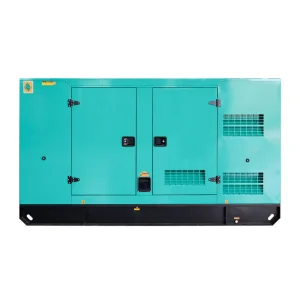
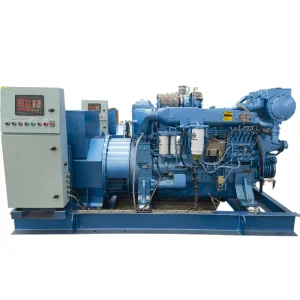
Standardized marine power configurations equipped with high-performance heat exchangers, dual-channel sensors, and marine-grade anti-corrosive components.
As Australia’s busiest container port, the Port of Melbourne processes over 3 million TEU annually. Operating in Victoria's marine environment requires power generation systems engineered to withstand unique mechanical and thermal challenges.
Vessels traveling between Melbourne and Tasmania across the Bass Strait experience some of the world's most turbulent sea states. In this region, a marine generator is more than an auxiliary system; it is critical to life safety and navigation integrity. Under these conditions, standard land-based gensets will fail due to high pitch, roll, and heave forces. Marine-surveyed generators must be configured with dry or wet-sump oil pans designed for continuous inclination, keeping lube oil moving under dynamic angles.
Additionally, seawater temperatures in Victoria fluctuate significantly between winter and summer. Dual-circuit heat-exchanging cooling systems are essential to handle cooling without subjecting the engine block to thermal shock. Using corrosion-resistant nickel-copper alloy tube bundles is mandatory to prevent salt-water erosion and galvanic corrosion.
Australia’s domestic commercial vessels are regulated by the Australian Maritime Safety Authority (AMSA) under the National System for Domestic Commercial Vessels. Generators deployed in this region must comply with specific marine survey requirements. The electrical installation must adhere to AS/NZS 3000 (Wiring Rules) and AS/NZS 3004 (Electrical installations - Marinas and boats).
This mandates dual-pole wiring, isolated neutral systems, emergency shut-offs, and marine-surveyed circuit protection. Mechanical specifications demand double-walled fuel delivery lines with leakage detection alarms, type-approved exhaust dry silencers, and spark arrestors to mitigate fire risks on deck or in engine compartments.
International maritime trade demands stricter emission limits and enhanced diagnostic capabilities. The global marine generator set market is transitioning toward hybridization, alternative fuels, and advanced diagnostic monitoring.
Globally, Emission Control Areas (ECAs) demand compliance with IMO Tier III NOx limits. This requires engine manufacturers to utilize Selective Catalytic Reduction (SCR) technology and high-pressure common-rail fuel systems. Our engine designs focus on optimizing thermal efficiency while reducing exhaust particulate matter.
Modern fleets are incorporating hybrid propulsion and auxiliary storage. Modern marine gensets are engineered to support multi-fuel applications, including Natural Gas, Liquefied Petroleum Gas (LPG), and green Hydrogen blends. This minimizes carbon footprints during port idling and coastal cruising.
Modern control boards integrate J1939 CANbus protocols to transmit generator diagnostics to the bridge. Real-time parameters, including winding temperatures, oil pressure indices, and load balancing ratios, are streamed to central vessel management systems to support predictive maintenance.
Weifang Gods Power Co., Ltd. is an industry-leading manufacturer specializing in marine-surveyed power systems. We serve commercial operators, shipbuilders, and marine suppliers worldwide.
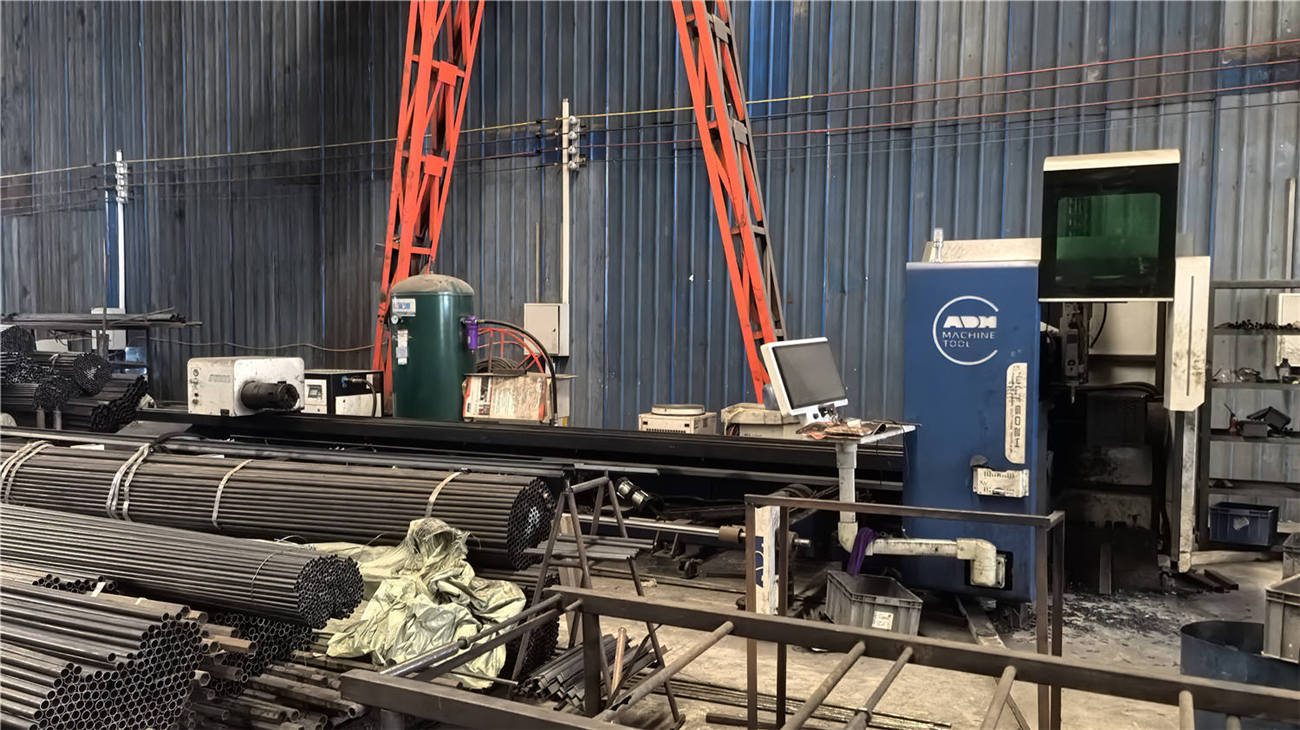
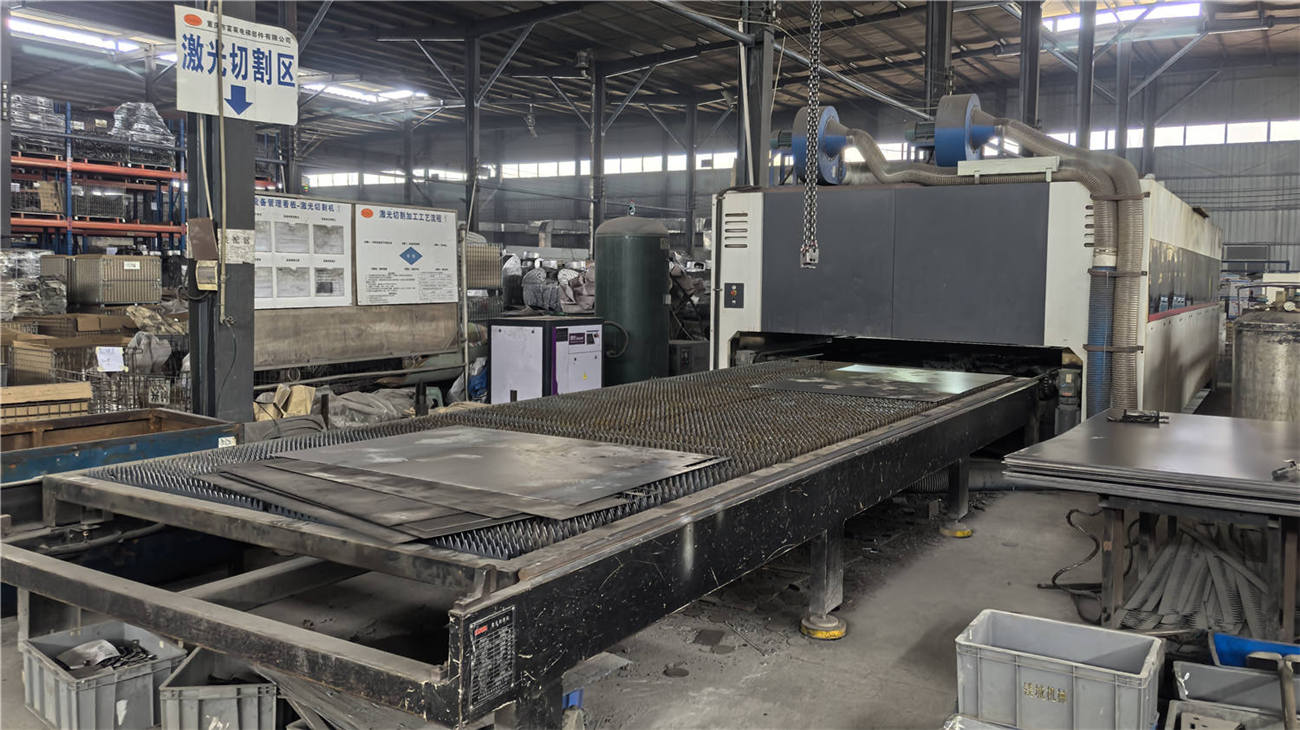
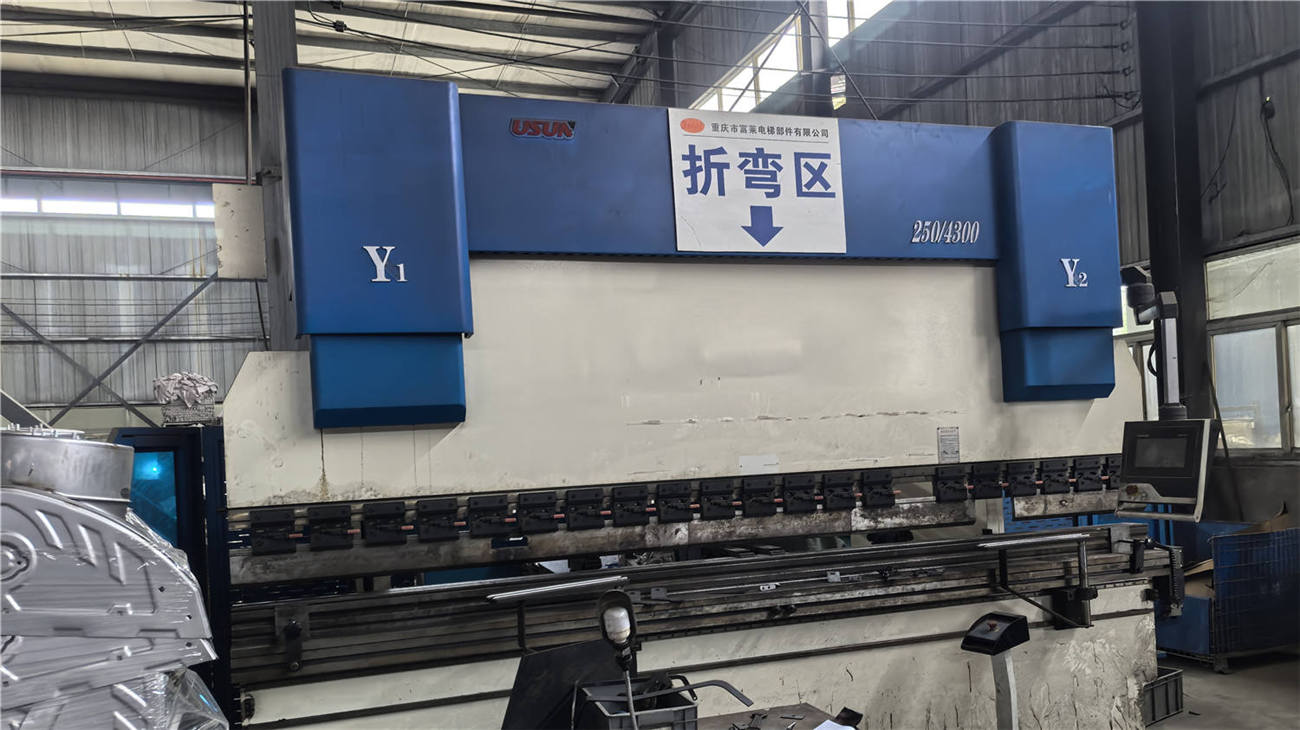
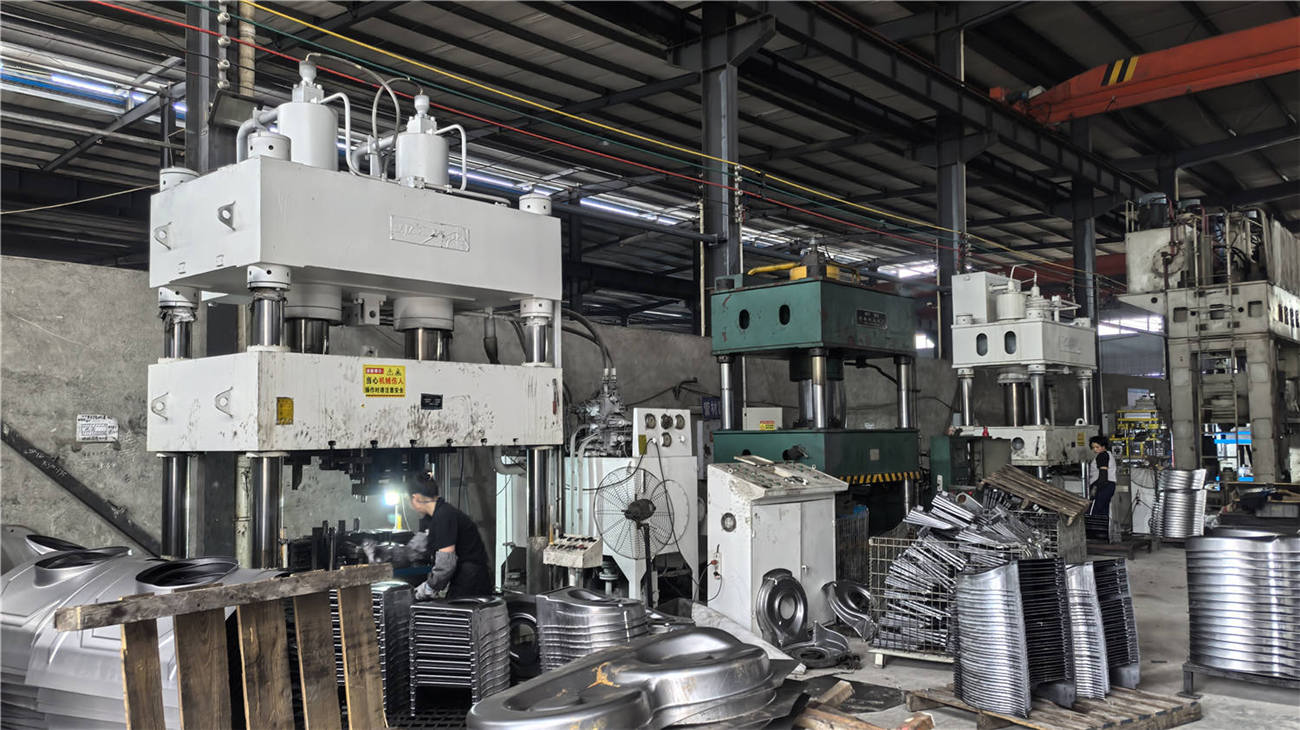
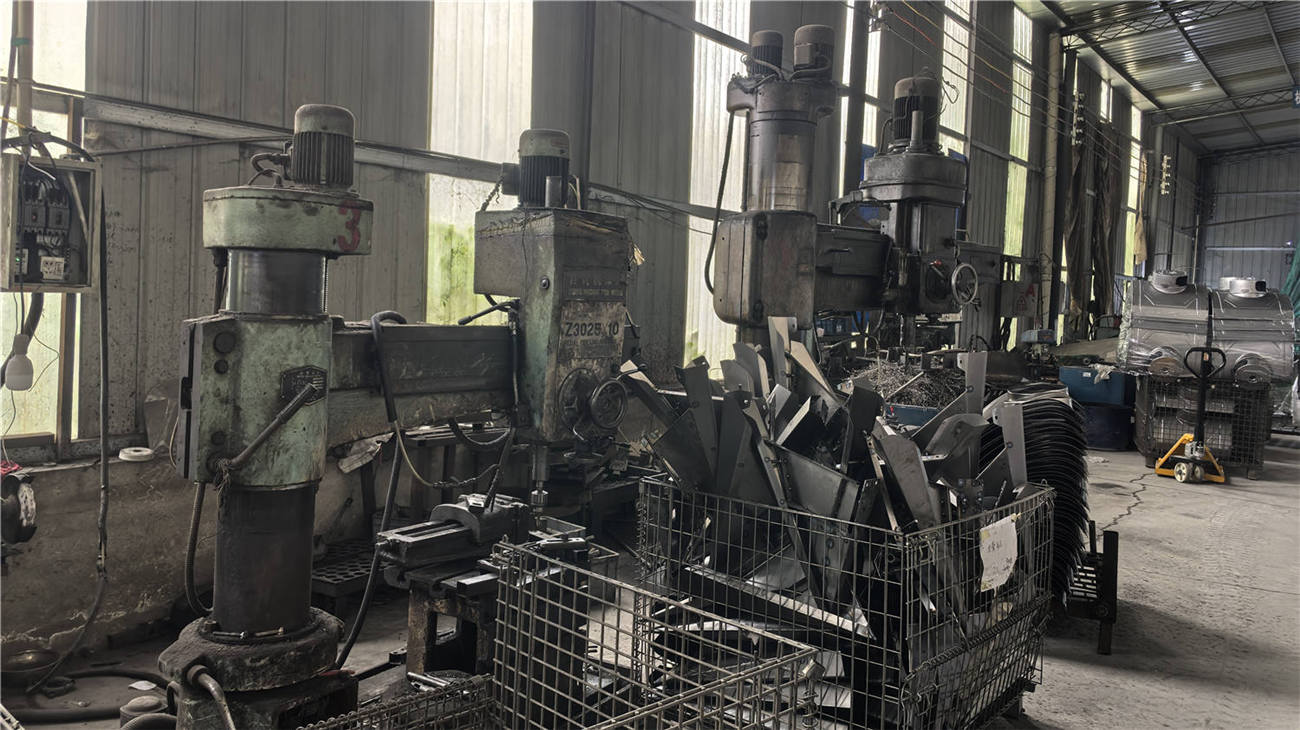
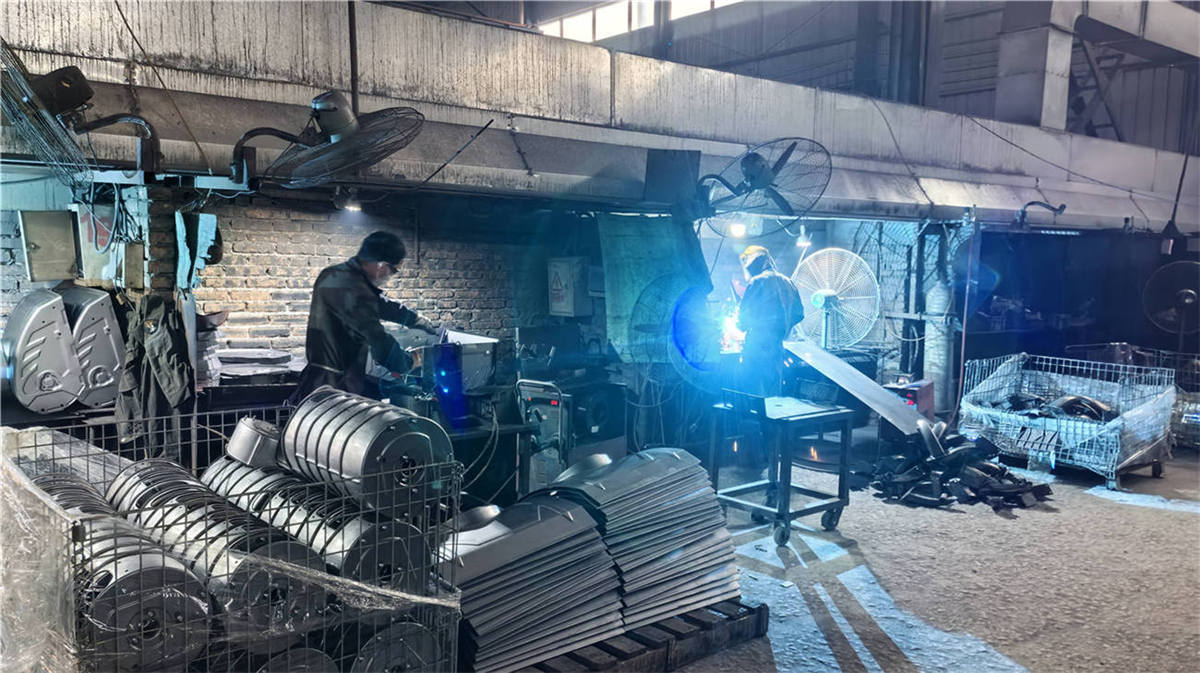
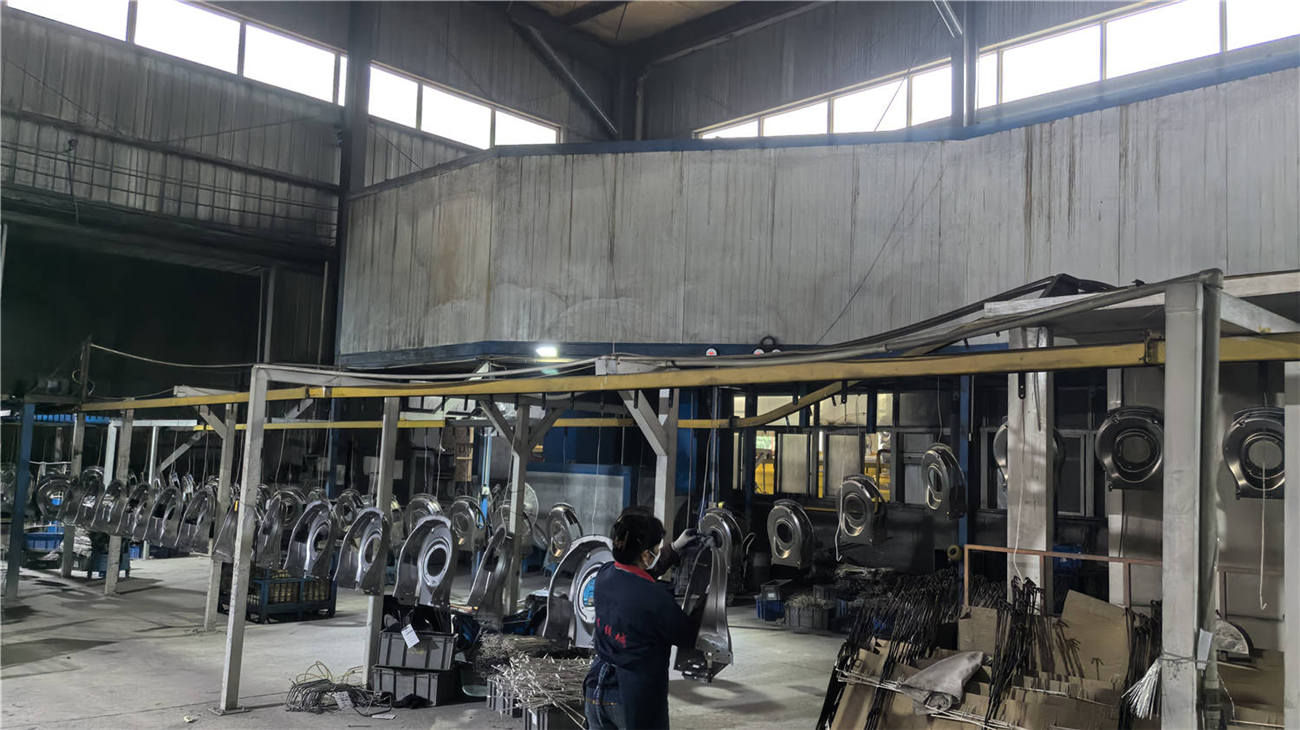
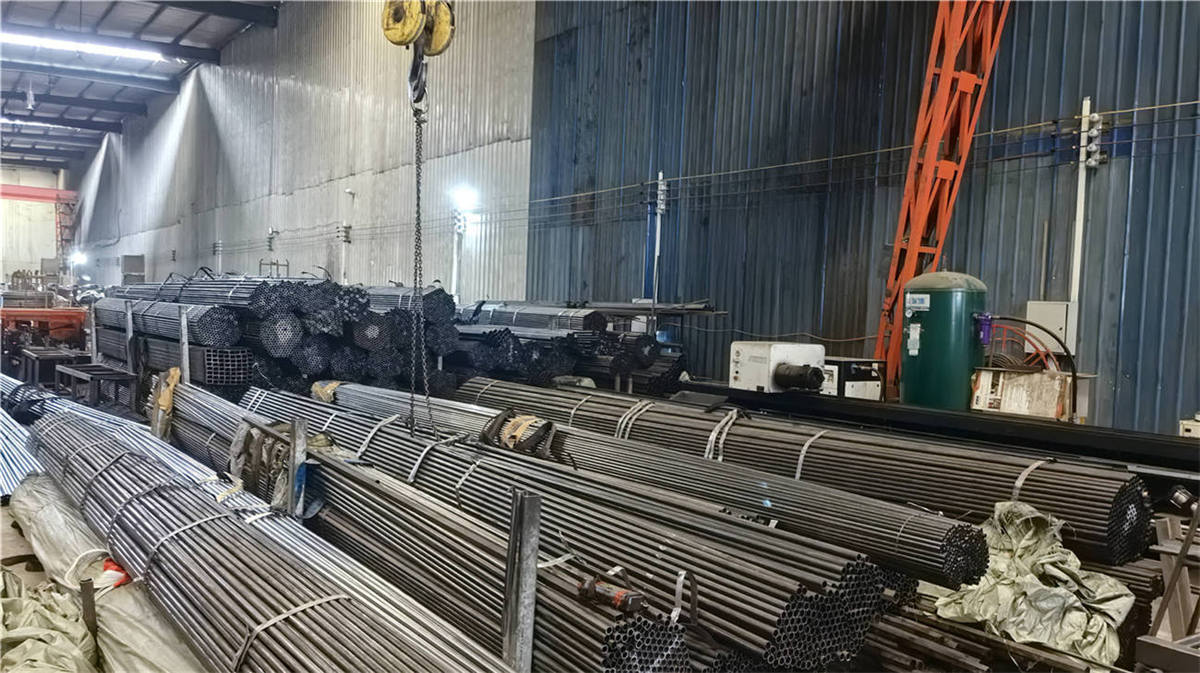
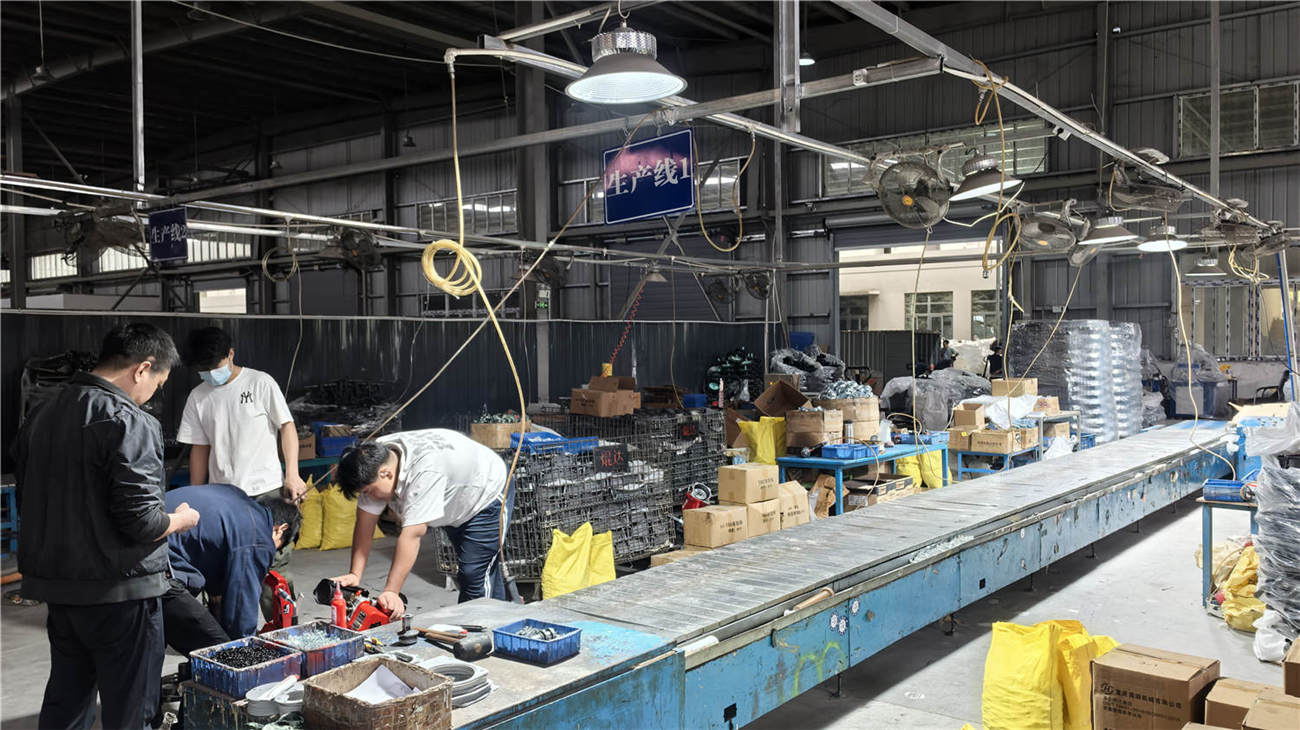
With a registered capital of 26 million yuan and a dedicated staff of over 200 skilled professionals, Weifang Gods Power integrates custom design, engineering, precision assembly, and load testing under a unified quality management protocol. Our facilities feature CNC tube-cutting systems, heavy-duty hydraulic plate-bending machinery, clean-room assembly bays, and automated marine coating facilities to deliver reliable power units.
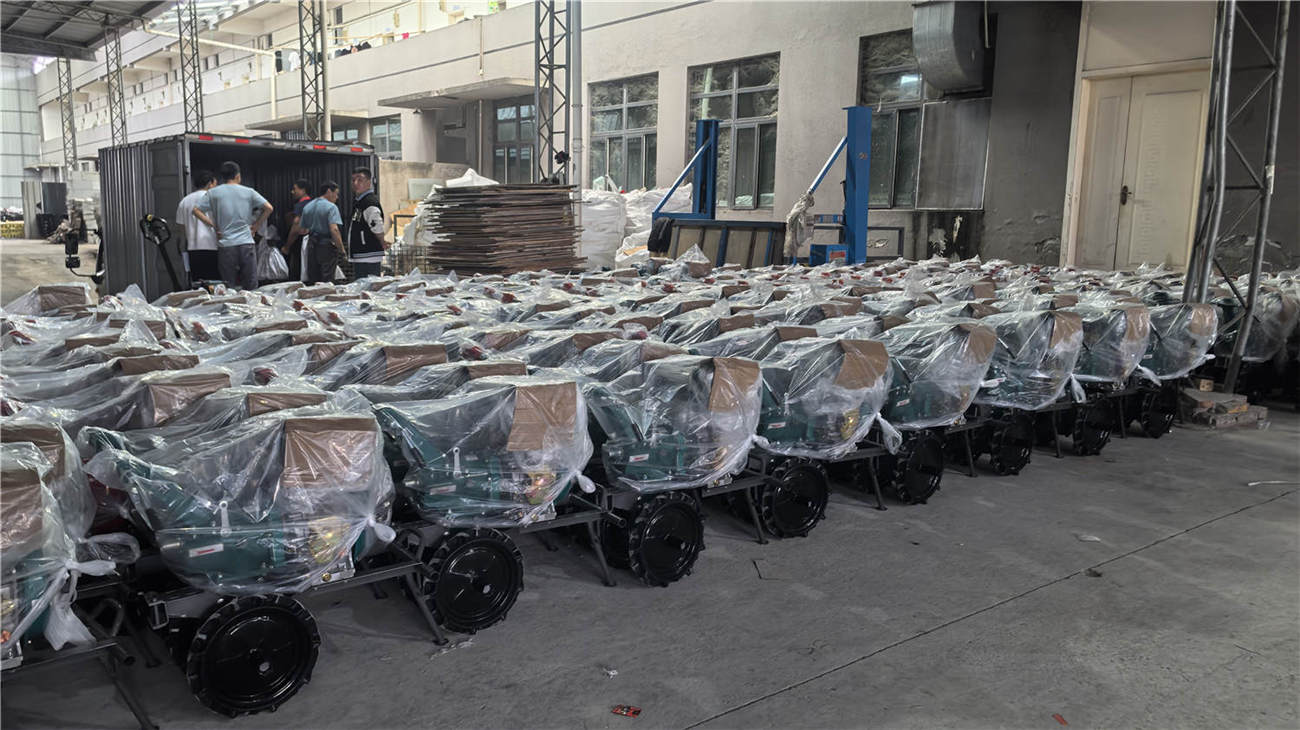
We work closely with global engine builders, including Cummins, Weichai, Yuchai, and Ricardo, matching them with Stamford and Leroy-Somer brushless alternators. Each generator set is subjected to a load-bank test profile (covering 25%, 50%, 75%, 100%, and 110% overload conditions) to verify voltage stability and transient response before shipment.
We follow a strict development process guided by efficiency, structural rigidity, and ease of service. Our systems are engineered to facilitate routine maintenance—such as oil changes, fuel filter replacements, and seawater pump impeller servicing—within confined engine compartments.
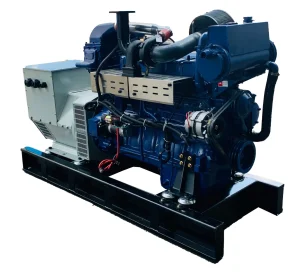
Compact, sea-water cooled configurations and specialized components for emergency backup power and deck-mounted service installations.
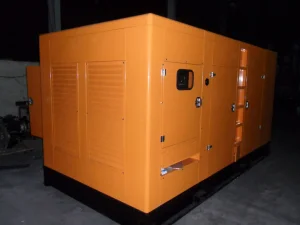
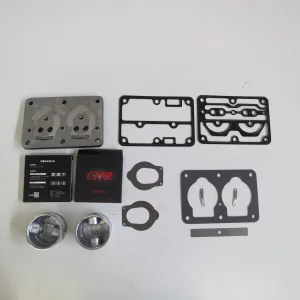
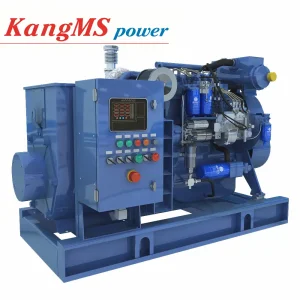
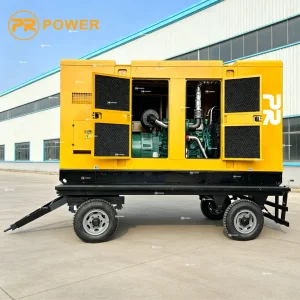
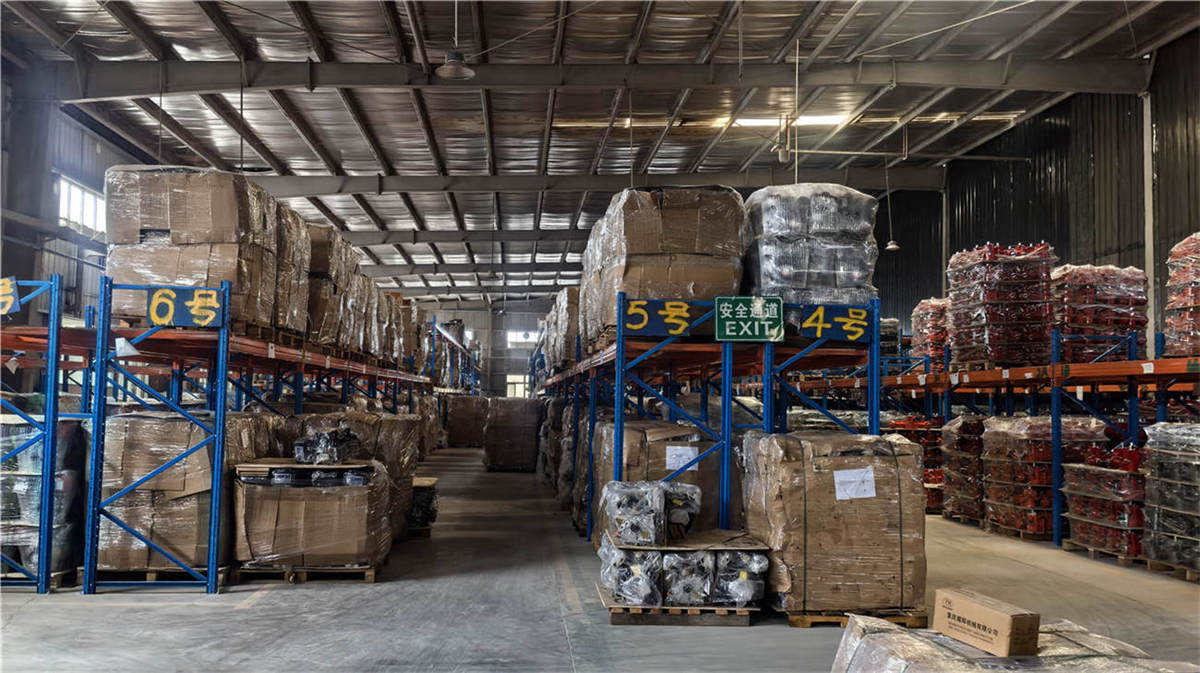
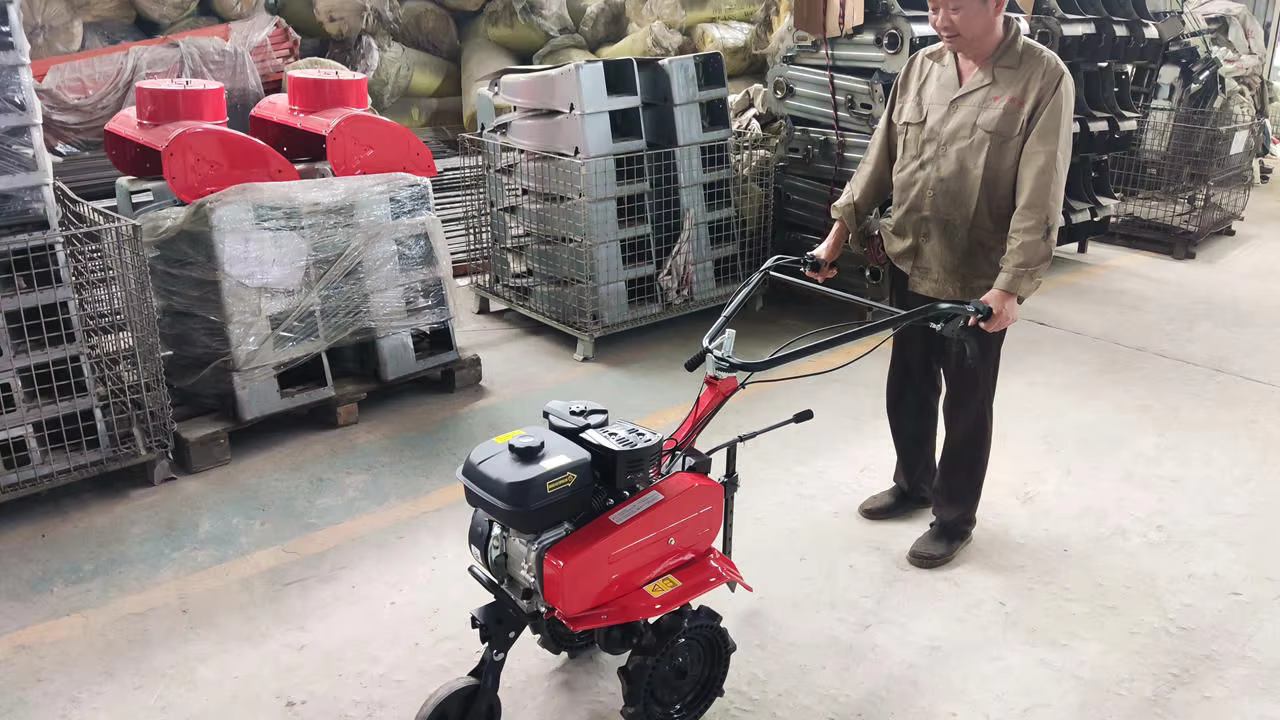
From raw material sourcing to structural assembly, sheet metal fabrication, precision machining, surface coating, and load testing, we monitor every step of the manufacturing process to deliver reliable power systems.
Marine auxiliary systems must operate reliably under high thermal gradients, mechanical shock, and salt-laden atmospheres. Our marine engineering team optimizes every generator set using advanced corrosion prevention and vibration isolation technologies.
To isolate vulnerable engine components from saltwater corrosion, our marine systems use a dual-circuit heat exchanger cooling configuration. The primary internal loop circulates treated coolant through the engine block, while the secondary external loop draws raw seawater through a copper-nickel (Cu-Ni 90/10) tube heat exchanger.
The seawater pump features a bronze housing and a neoprene impeller to resist mechanical wear from sand and silt in shallow port waters, such as Port Phillip Bay. Sacrificial zinc anodes are installed inside the cooling passages to protect the system from galvanic corrosion.
Salty, high-humidity engine rooms can cause insulation breakdown in standard alternators. We use brushless alternators winding to Class H insulation standards, vacuum-impregnated with marine-grade epoxy resins. This prevents salt-spray deposits from creating conductive tracks across the stator or rotor windings.
Our generators include digital Automatic Voltage Regulators (AVR) that maintain voltage fluctuations within +/-1%, protecting sensitive bridge electronics, sonar arrays, and navigation monitors from voltage spikes.
Tailored auxiliary power configurations designed to meet the operational demands of Victoria’s marine fleets, commercial terminals, and offshore support networks.
Commercial fishing vessels operating in the Southern Ocean require reliable power for long voyages. Our silent, low-vibration 120kW to 200kW marine generator sets provide dependable power for onboard refrigeration compressors, flash-freezing systems, hydraulics, and long-range communication gear.
Melbourne's commercial tugs and harbor support craft need rapid power delivery during peak towing operations. Our medium-speed marine gensets provide reliable transient response, supporting rapid changes in load during docking assistance and heavy-weather salvage maneuvers.
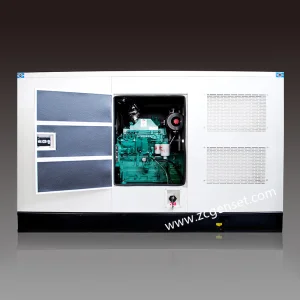
For passenger ferries operating on the Yarra River and across Port Phillip Bay, minimizing noise, vibration, and emissions is critical to the passenger experience. Our enclosed soundproof gensets utilize high-density acoustic insulation and double-elastic vibration mounts to minimize structural noise.
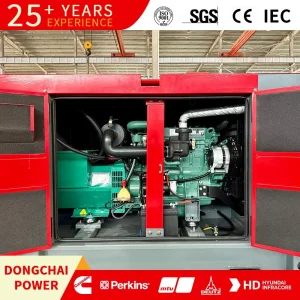
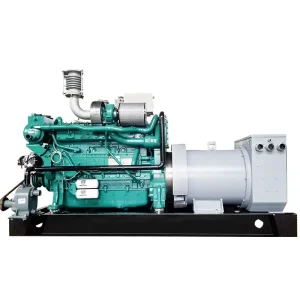
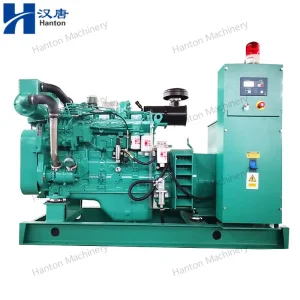
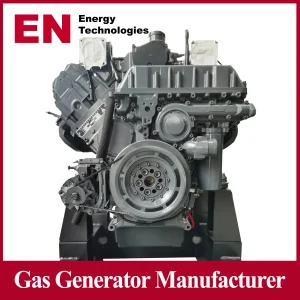
Explore our range of heavy-duty marine generators, ranging from compact deck-mounted units to high-capacity containerized power systems.
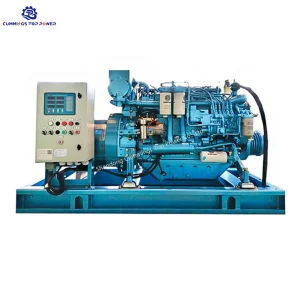
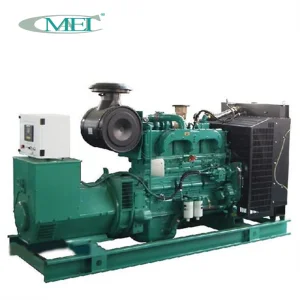
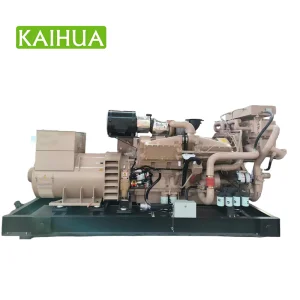
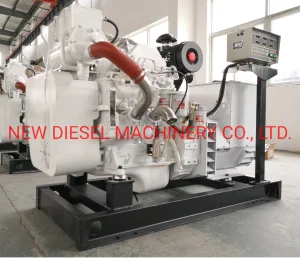
Find answers to frequently asked engineering and regulatory questions regarding marine generator systems deployed in Australian waters.
Get in touch with our engineering team to design, configure, and install marine-surveyed generator sets tailored to your vessel class, operational requirements, and regulatory standards.
Send Inquiry Now Gods Power