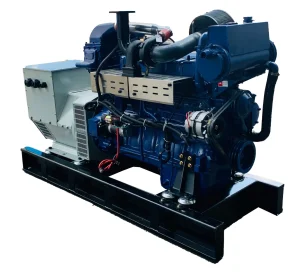
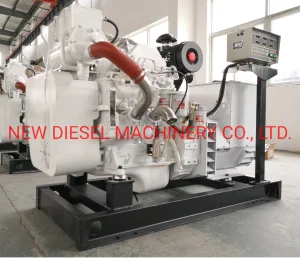
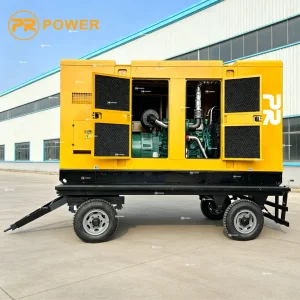
Premium class-approved marine diesel generators optimized for hot-running tropical environments, heavy saline humidity, and volatile load profiles.
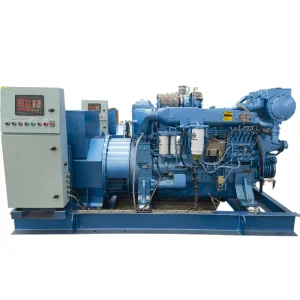
As Latin America’s fourth-largest economy and the only South American country boasting coastlines along both the Pacific Ocean and the Caribbean Sea, Colombia is undergoings a major maritime and infrastructural transition. Deep-sea shipping terminals in cities like Cartagena, Buenaventura, Barranquilla, and Santa Marta are continuously expanding their dry cargo capacities and cold-storage operations. In parallel, inland waterways like the Magdalena River corridor serve as critical logistics veins, requiring reliable power generation for flat-bottomed cargo barges, maintenance vessels, and auxiliary tugboats.
SEO Information Gain Insight: Unlike standard off-the-shelf power equipment, marine diesel generator sets deployed in Colombian waters face extremely demanding localized factors. These include high ambient seawater temperatures exceeding 30°C in shallow coastal channels, dense tropical humidity levels surpassing 90%, and complex sediment profiles in river estuaries that demand highly reliable seawater filtration and heat exchanger systems.
Consequently, the search intent from Colombian maritime procurement officers and international fleet managers has shifted. They no longer look for general-purpose diesel gensets; instead, they demand verified marine classification certifications (CCS, BV, ABS, or LR), customized 60Hz winding designs to match local electrical architectures, and integrated cooling setups designed to counter thermal derating. This whitepaper analyzes how Weifang Gods Power Co., Ltd. addresses these Colombian operational demands through tailored high-performance generators, utilizing China's advanced manufacturing capabilities to deliver reliability to the Colombian market.
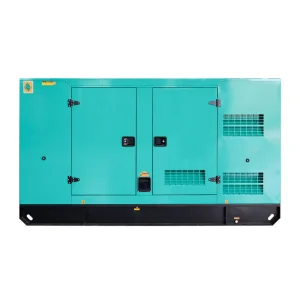
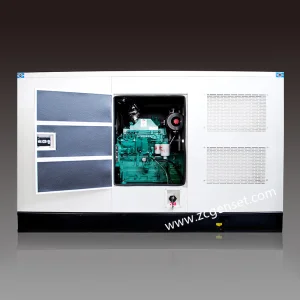
Featuring highly efficient fuel-injection mechanics and sound-proof engineering for crew comfort and system reliability.
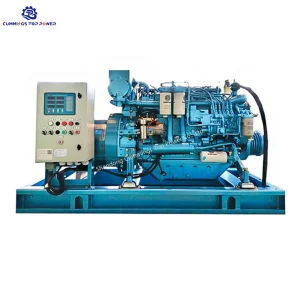
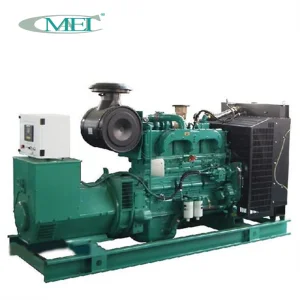
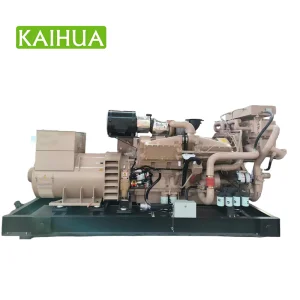
Procuring a marine generator set is a multi-decade capital investment. Ships operating in Colombian coastal ports or cruising inland up the Magdalena River face diverse challenges. Industry planners must reconcile strict regulatory standards with technical requirements to prevent operational downtime. The core demands include:
Due to the warm waters of the Caribbean Sea and high-humidity environments typical of Buenaventura, normal structural paint quickly breaks down. Sea-spray carries sodium chloride particles that penetrate alternator windings, leading to tracking and short circuits. Weifang Gods Power addresses this by utilizing double-impregnated epoxy resin on alternator stators and copper rotor cores. Heat exchangers are constructed with robust copper-nickel alloys (CuNi 90/10) to withstand seawater corrosion and prevent scale build-up.
Compliance is essential for naval insurance and regulatory clearance under Colombia’s maritime agency, DIMAR. As a reputable manufacturer, Weifang Gods Power delivers gensets fully compliant with leading classification societies, including CCS, BV, ABS, and DNV-GL. We provide certificates for raw material traceability, dynamic load tests, and exhaust emission levels, supporting smooth fleet validation.
With volatile fuel pricing in Colombian ports, operational economy is a primary driver. High-pressure injection systems and specialized air intake geometry optimize combustion efficiency, reducing fuel consumption (g/kWh) and carbon soot emissions. This helps operators meet IMO Tier II and III marine standards for environmental compliance.
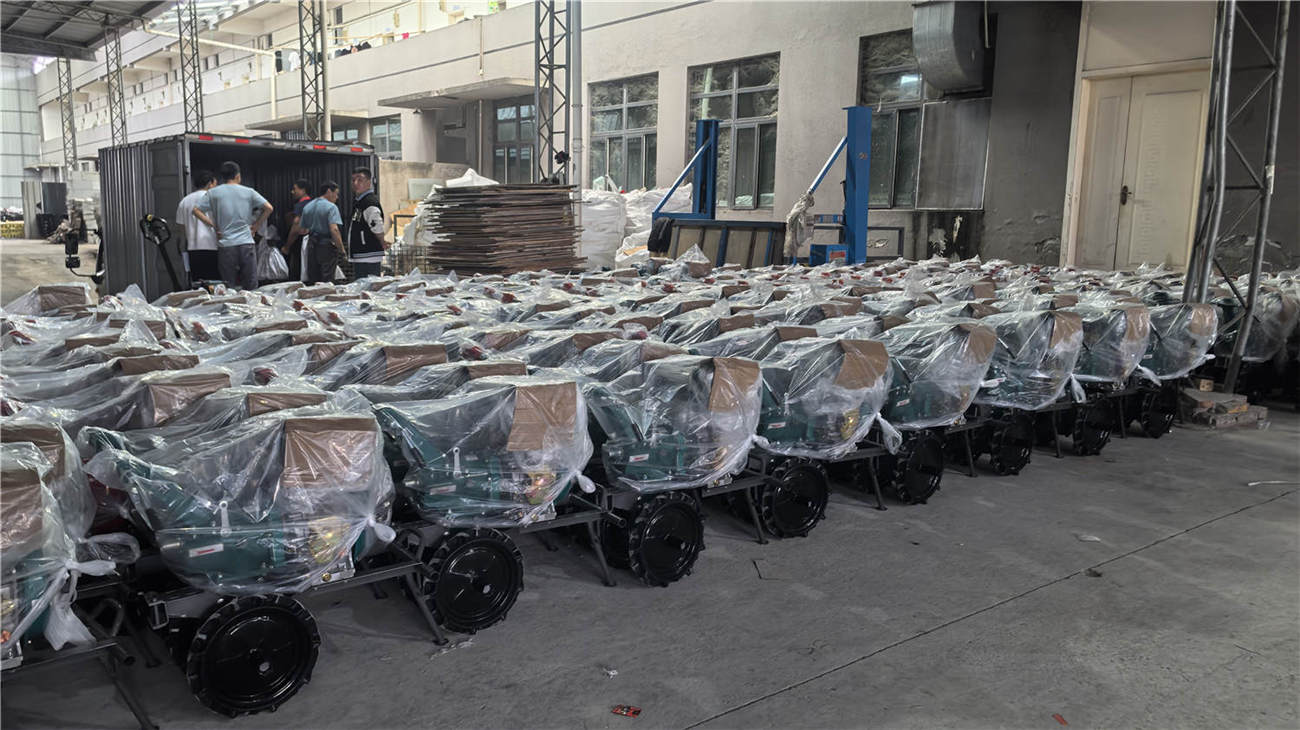
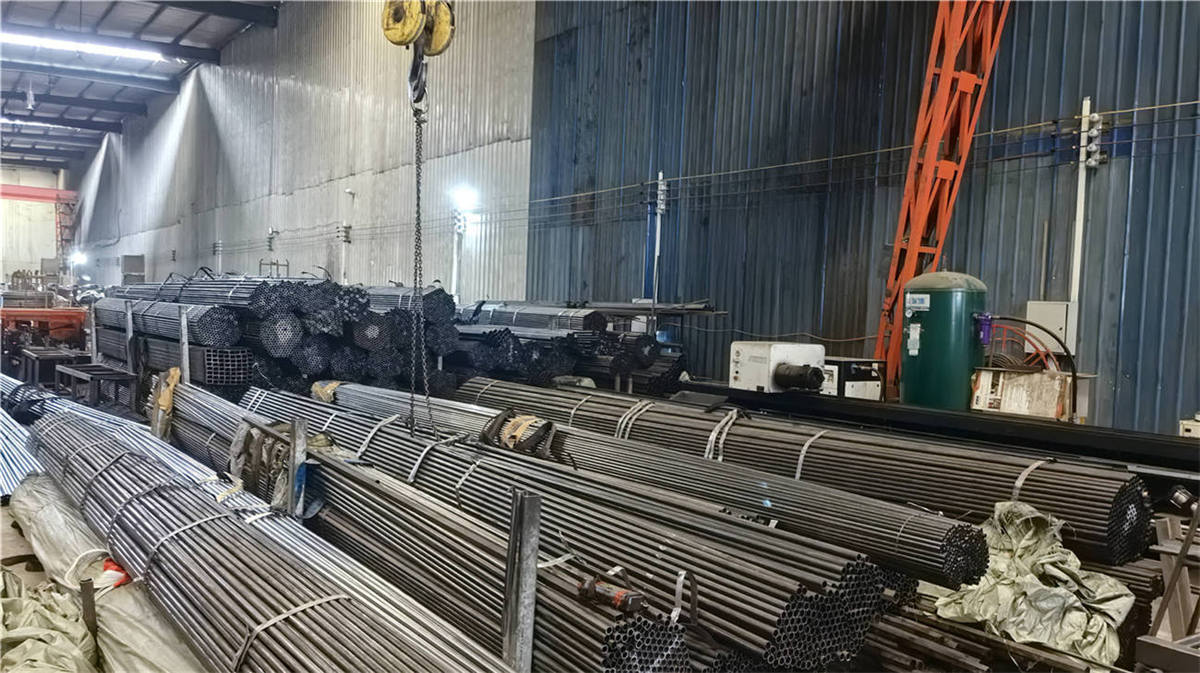
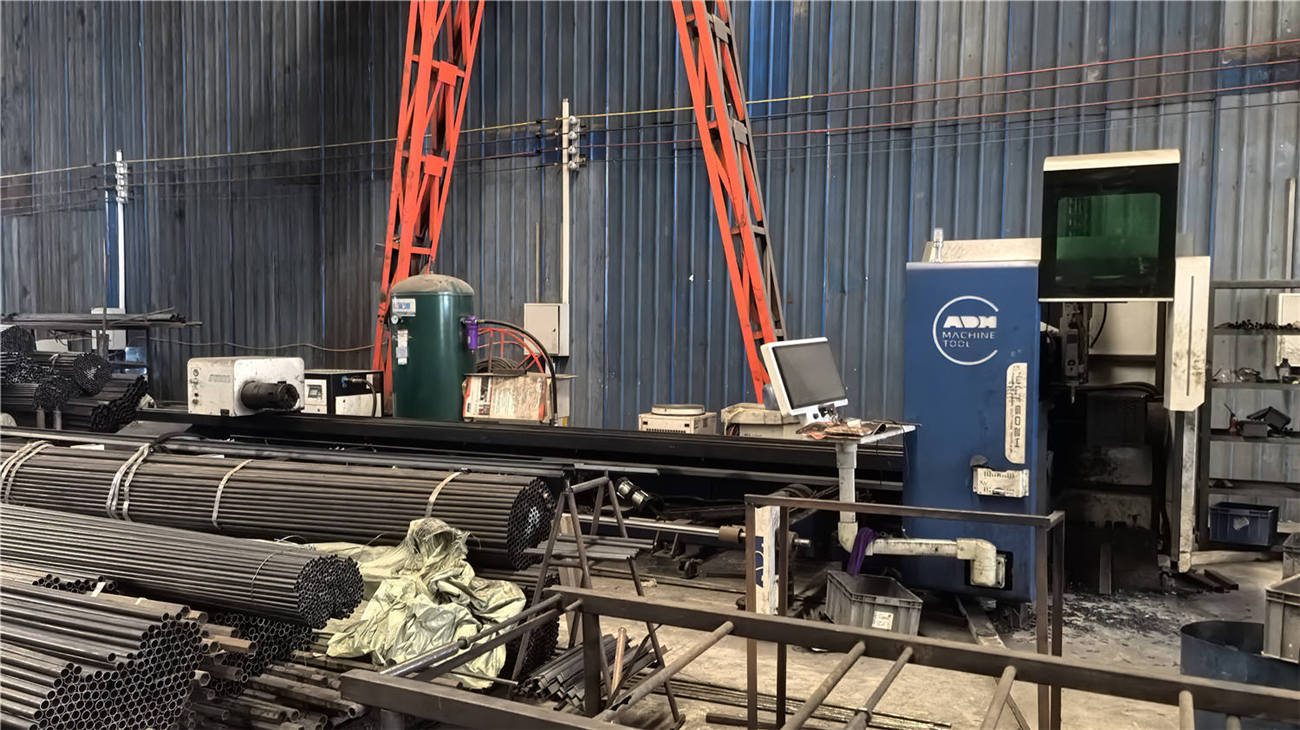
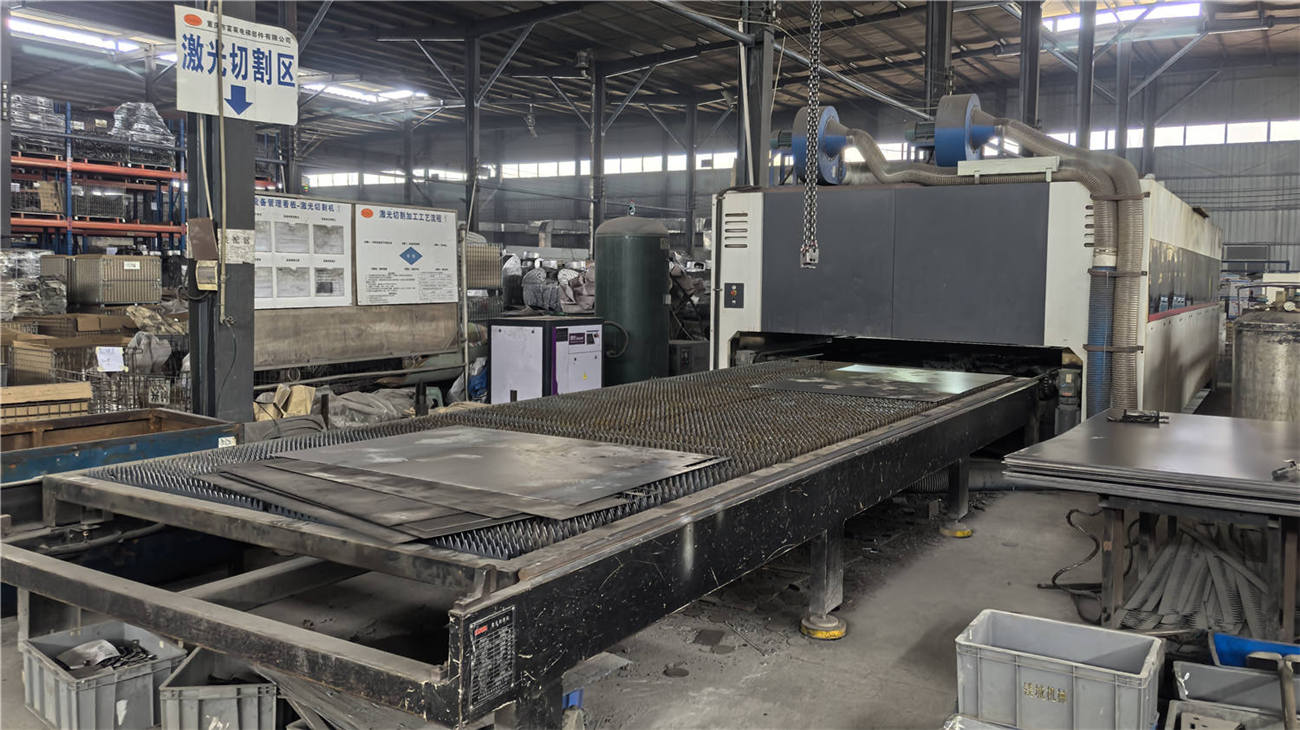
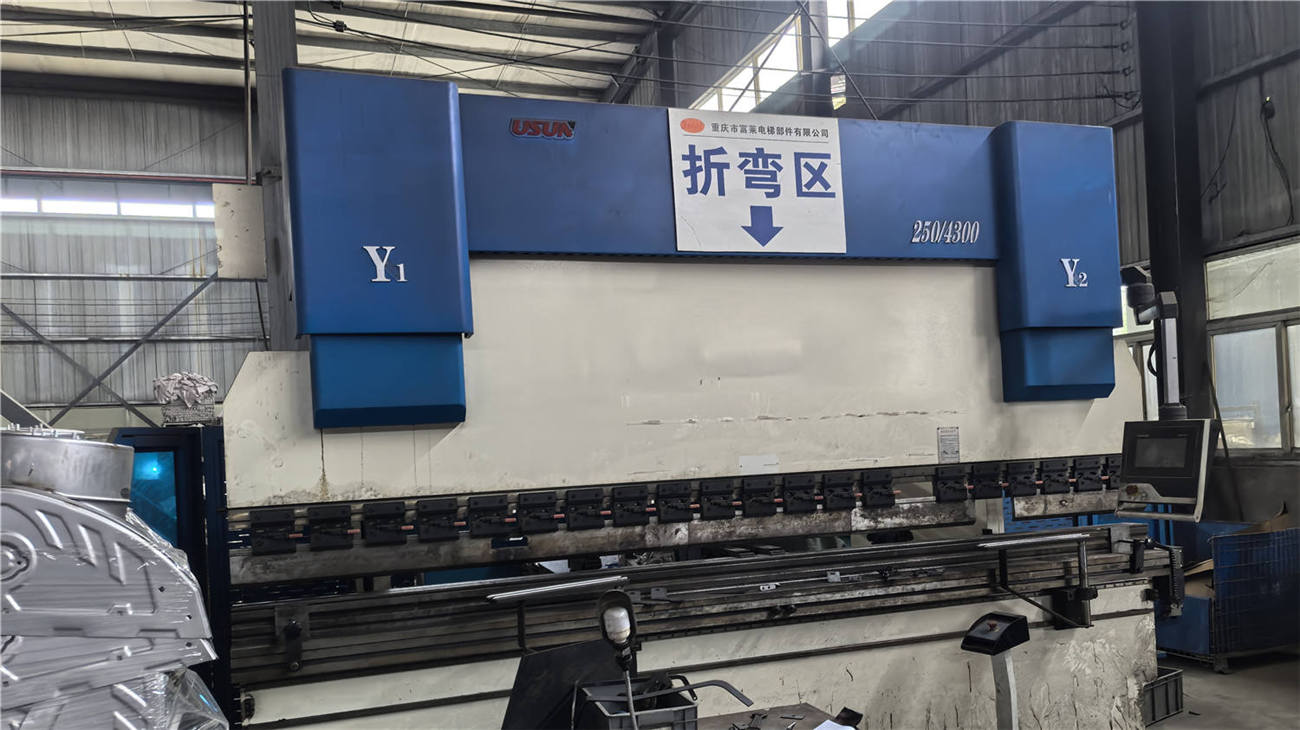
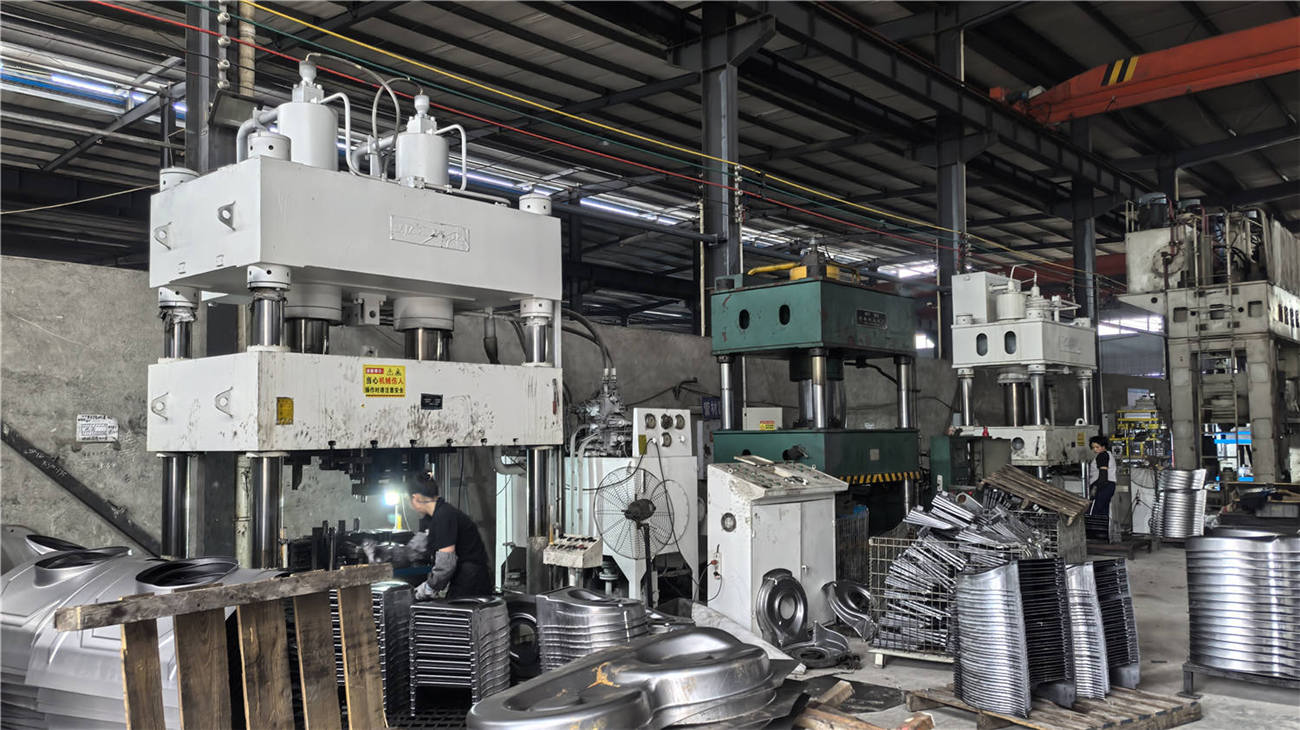
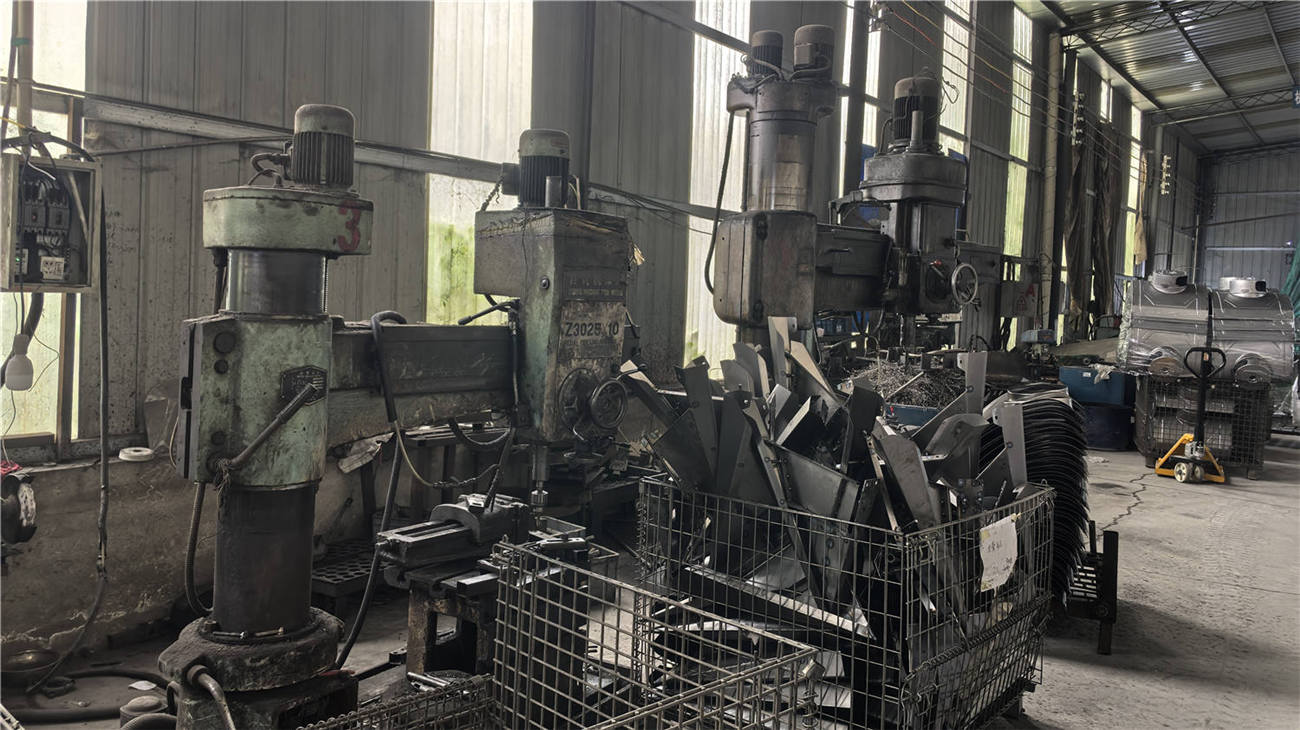
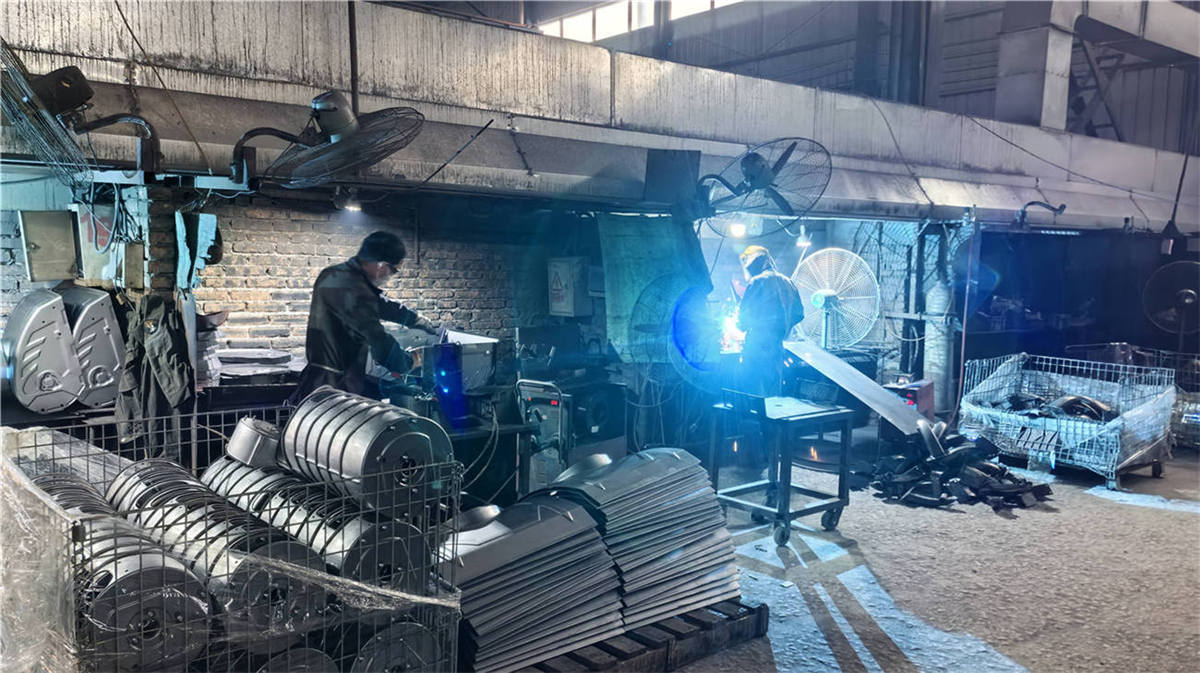
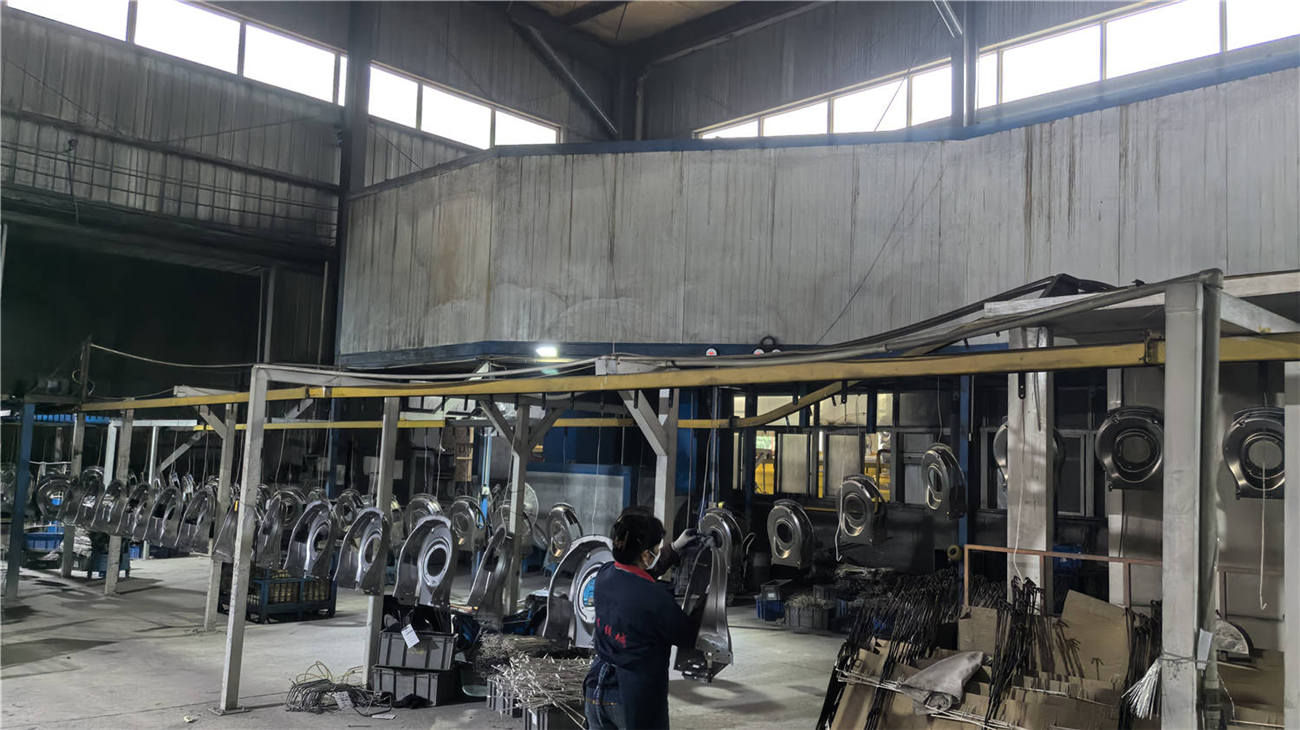
Weifang Gods Power Co., Ltd. operates with a registered capital of 26 million yuan and a 200-strong expert workforce. Our production relies on advanced technologies, incorporating intelligent automation and modern manufacturing processes to ensure every generator set delivers reliable performance.
By using CNC laser cutters, hydraulic bending systems, and automated welding stations, we produce robust physical structures and compact generator bases capable of dampening marine structural vibrations. In our dynamic wet test bays, each unit undergoes multi-hour endurance runs at 25%, 50%, 75%, 100%, and 110% load capacity. This verifies voltage regulation, speed response, and temperature management before shipping to international destinations like Colombia.
Supply Chain Advantage: Our manufacturing center in Shandong, China, provides access to a complete supply chain ecosystem. We partner with leading engine producers like Cummins, Weichai, and Yuchai, alongside top alternator brands like Stamford, to supply custom-engineered generator units. This integration reduces lead times and supports high standards of quality control.
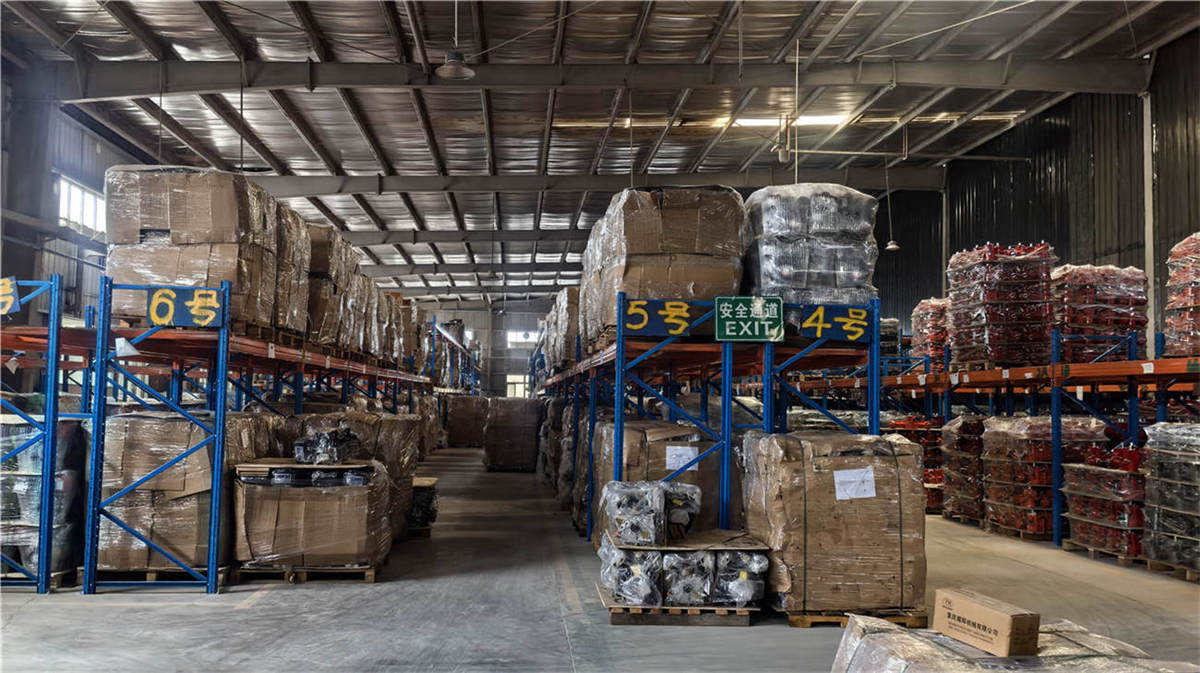
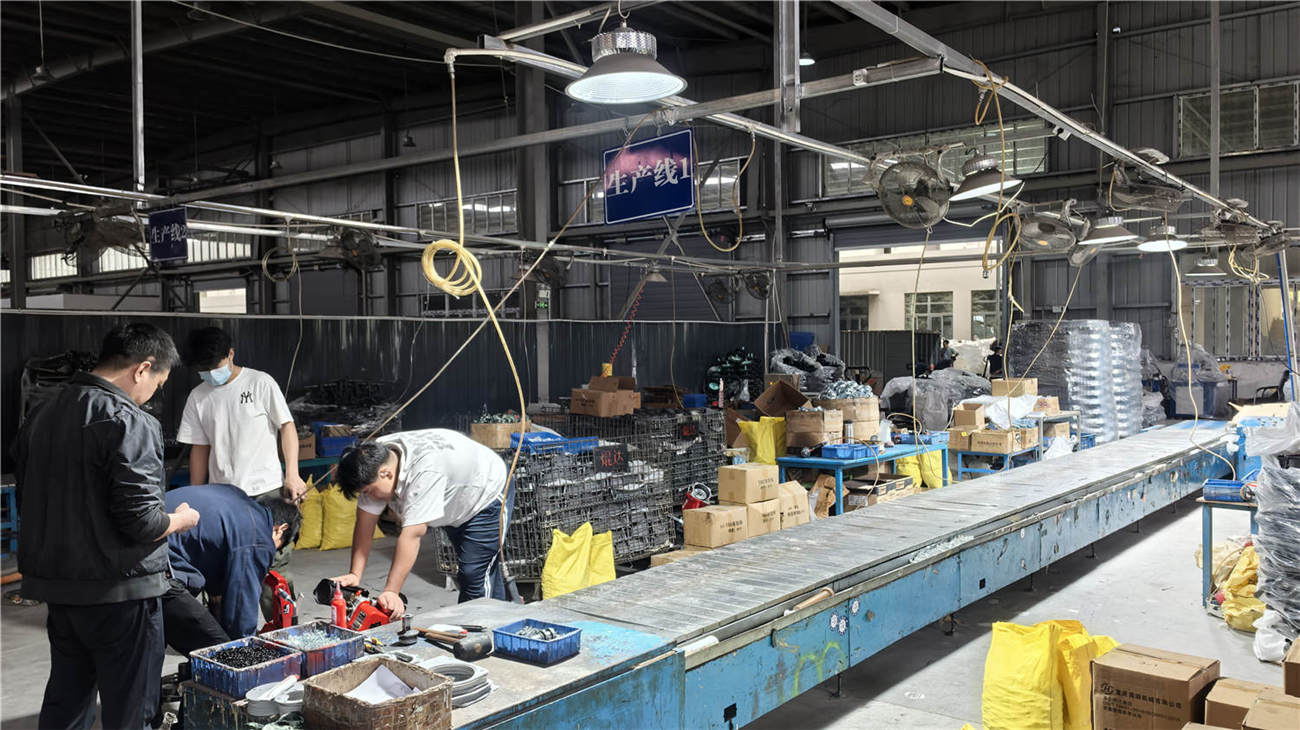
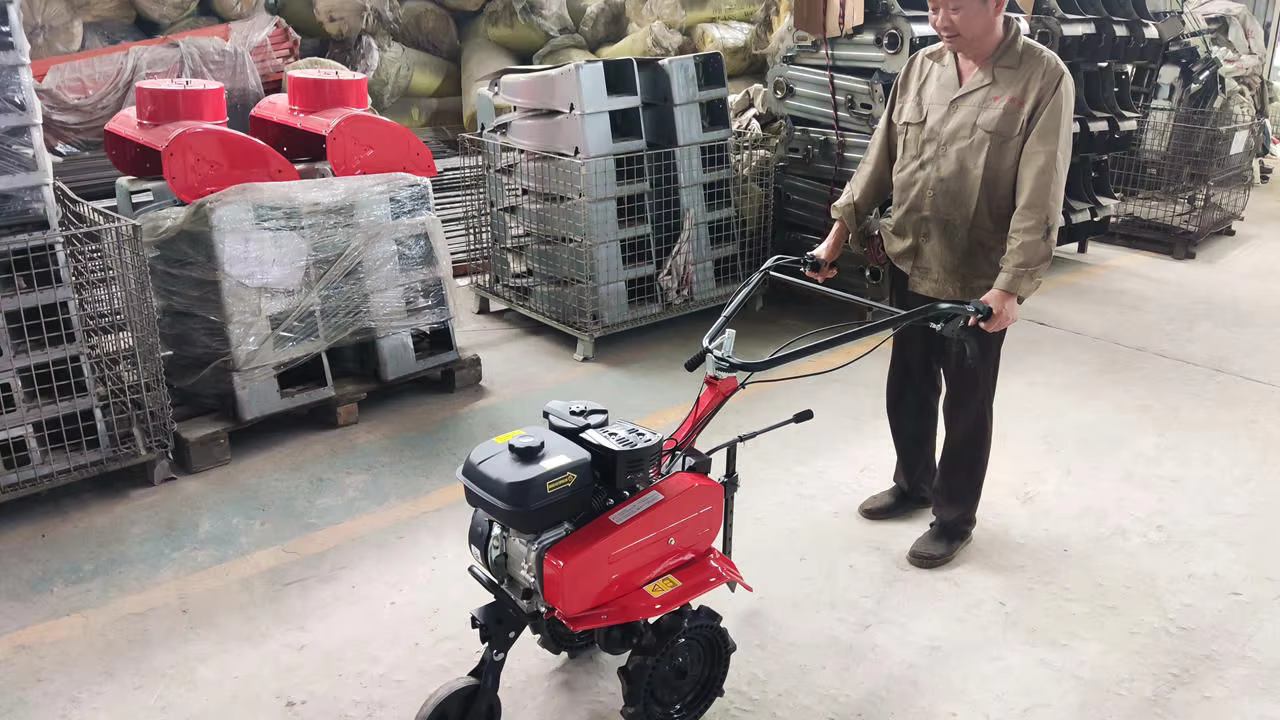
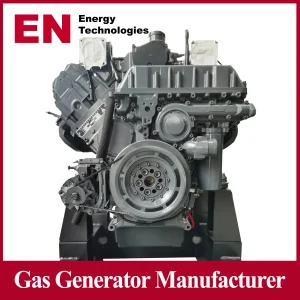
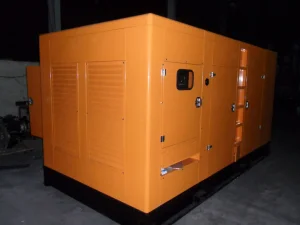
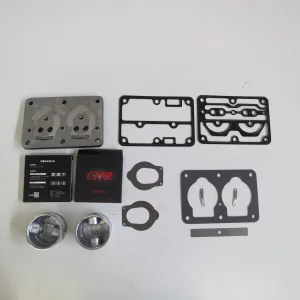
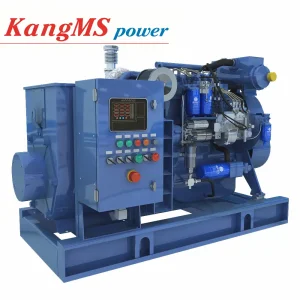
Explore our wide-ranging portfolio of diesel generator sets, air compressors, and low-noise containment models suitable for Colombian commercial vessel applications.
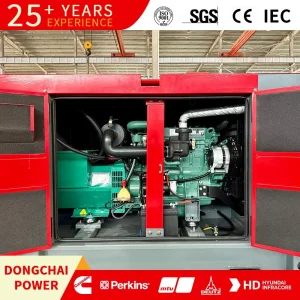
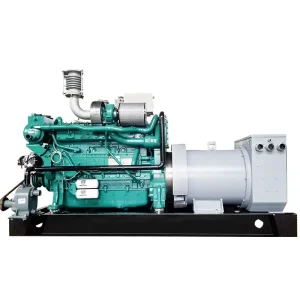
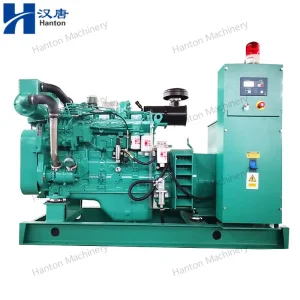
In high-pressure maritime operations, a generator failure can lead to critical systems going offline, compromising onboard electronics and refrigeration. When analyzing technical profiles, we focus on engineering details that support continuous performance:
SEO Value-Added Engineering Insight: When selecting a generator for high-altitude river ports in Colombia, such as those near Puerto Berrío, operators must calculate thermal and barometric altitude derating. Our engineering team assists clients with customized project calculations, ensuring the selected genset maintains its power output at target elevations.
By offering customized engineering solutions, Weifang Gods Power supports maritime operators in maintaining reliable onboard power. Our focus on component selection and rigorous testing delivers stable, long-term performance across demanding shipping and industrial environments.
Expert answers to common technical, shipping, and regulatory questions regarding marine generator installations in the Colombian market.
Colombia’s land grid operates at 60Hz. Many local commercial vessels and harbor facilities require 60Hz configurations. However, international ocean-going vessels frequently utilize 50Hz systems. Weifang Gods Power supplies customized marine generator windings designed for either 60Hz (typically running at 1800 RPM) or 50Hz (typically running at 1500 RPM) to match your ship's specific electrical layout.
High tropical humidity accelerates corrosion and can degrade electrical insulation. To protect generator systems, we apply anti-condensation heaters and class-H insulation class coatings on the alternator windings. Marine-grade control panels are also housed in IP54 or IP56-rated enclosures to prevent moisture ingress.
Yes. Our manufacturing processes support compliance with major classification societies, including CCS, BV, ABS, and DNV-GL. We coordinate class inspections and provide the required certification documents for shipyard approval.
Weifang Gods Power provides remote technical diagnostics and maintains a ready stock of critical replacement parts (such as filters, injectors, gaskets, and AVR modules) for fast dispatch. Additionally, we use standard, globally supported engines (such as Cummins and Yanmar) to ensure operators can access local maintenance expertise in main ports.
Contact our engineering support team for detailed technical drawings, marine certificate options, and a competitive quotation tailored for your operations in Colombia.
Send Inquiry Now Gods Power