Mali's industrial landscape is undergoing rapid transformation, propelled by the gold mining boom, infrastructure development, and growing urbanization. However, securing a reliable, cost-efficient, and continuous power supply remains a prominent challenge. Traditional grid access is often unstable, forcing enterprises to rely heavily on off-grid generation. While diesel has long been the default choice, surging fuel prices, logistics complexities along the Dakar-Bamako corridor, and global emission protocols demand a smarter alternative. This is where silent dual-fuel generator sets step in, blending standard diesel utility with alternative gas resources (LPG, CNG, Syngas, and Hydrogen) to deliver unparalleled fuel flexibility and high operational efficiency.
Our top-tier generator systems specifically configured to withstand high ambient desert temperatures while maintaining low acoustic footprints.
Operating a business in Mali involves navigating unique geopolitical and infrastructural challenges. The national electric grid, managed by Energie du Mali (EDM-SA), experiences significant peak capacity gaps, particularly during the dry season. Industrial users—ranging from heavy gold mining rigs in Kayes and Sikasso regions to manufacturing hubs in Bamako—experience recurrent load shedding. This has created a critical dependency on captive power plants. Furthermore, reliance on imported diesel poses severe logistical challenges: the landlocked status of Mali necessitates shipping fuel through neighboring ports (Abidjan, Dakar, or Cotonou) and trucking it over thousands of kilometers. This long supply chain renders diesel prices highly volatile and susceptible to local disruptions.
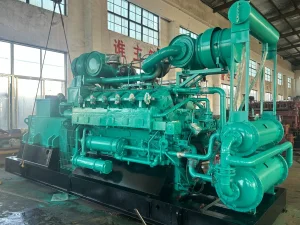
The Dual-Fuel Shift: By incorporating gas assets (such as LPG, biogas, or wood gas) alongside diesel, industrial facilities in Mali can mitigate fuel supply chain risks. Dual-fuel generators operate seamlessly on ratios up to 70% gas and 30% diesel, instantly slashing OPEX and lowering carbon footprints.
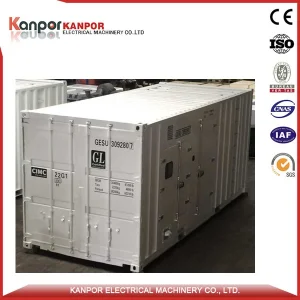
Gold mining in locations like Loulo, Gounkoto, and Syama requires multi-megawatt base load power. Silent containerized dual-fuel systems provide continuous, high-output energy under dusty, high-ambient thermal conditions.
Data centers, corporate headquarters, and major healthcare centers in Bamako utilize silent canopy gensets to prevent noise pollution while maintaining critical backup power during grid blackouts.
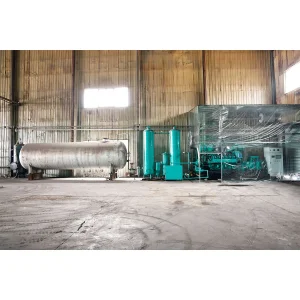
Mali's cotton processing, peanut oil mill, and sugarcane residue industries produce extensive agricultural waste. This waste can be gasified into synthetic gas (syngas) to fuel our dual-fuel engines, creating a circular local economy.
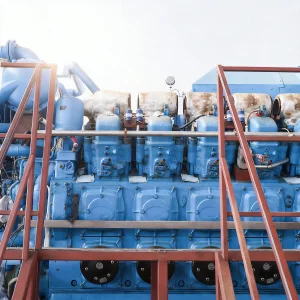
Deploying energy systems in West Africa requires rigorous adherence to robust mechanical and thermodynamic principles. Standard diesel engines tend to lose efficiency (derate) in ambient temperatures exceeding 40°C and altitudes above 1000m. Our latest product lines leverage advanced electronic control units (ECUs) to dynamically adjust the fuel-air mixture, maintaining optimal combustion and minimizing power output loss.
To reduce human error and minimize down-time at remote Malian project sites, all Weifang Gods Power dual-fuel engines are equipped with smart monitoring platforms (Deep Sea or SmartGen controllers). These systems monitor critical operational metrics including gas leakage levels, exhaust temperatures, frequency drift, and load distribution in real-time. The built-in cloud modules support remote diagnostics, enabling our engineering support teams in China to analyze and troubleshoot performance anomalies remotely.
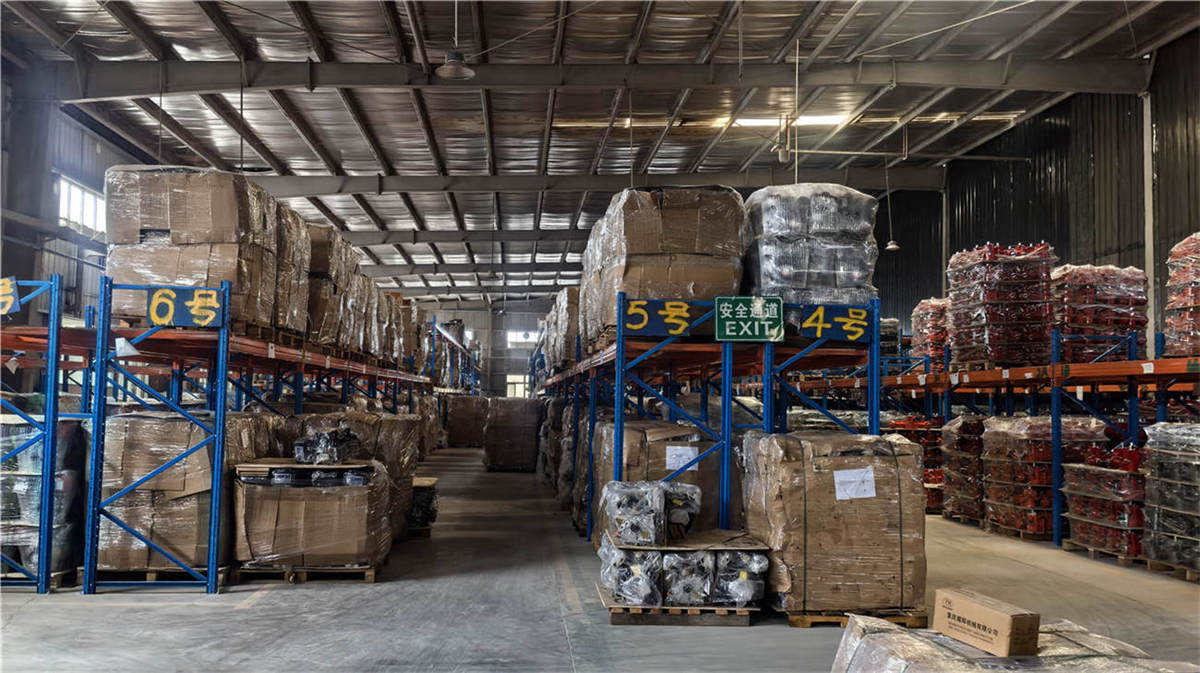
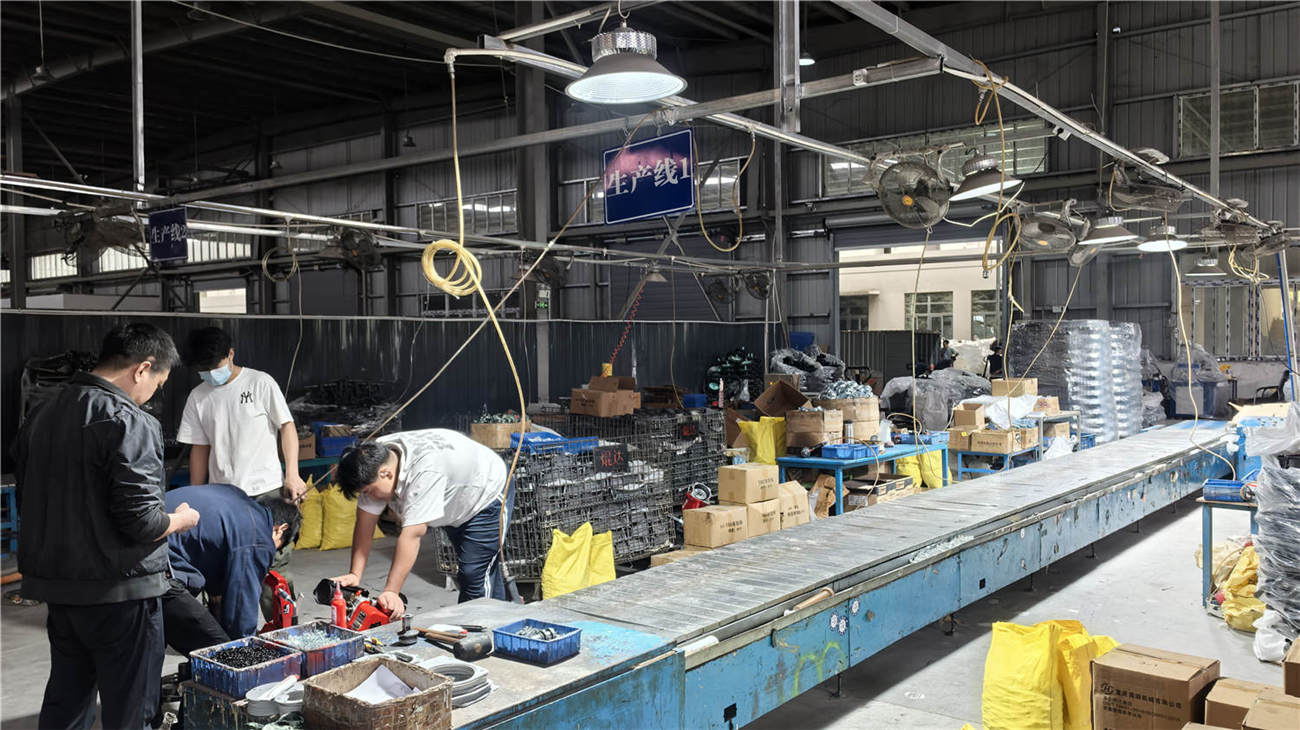
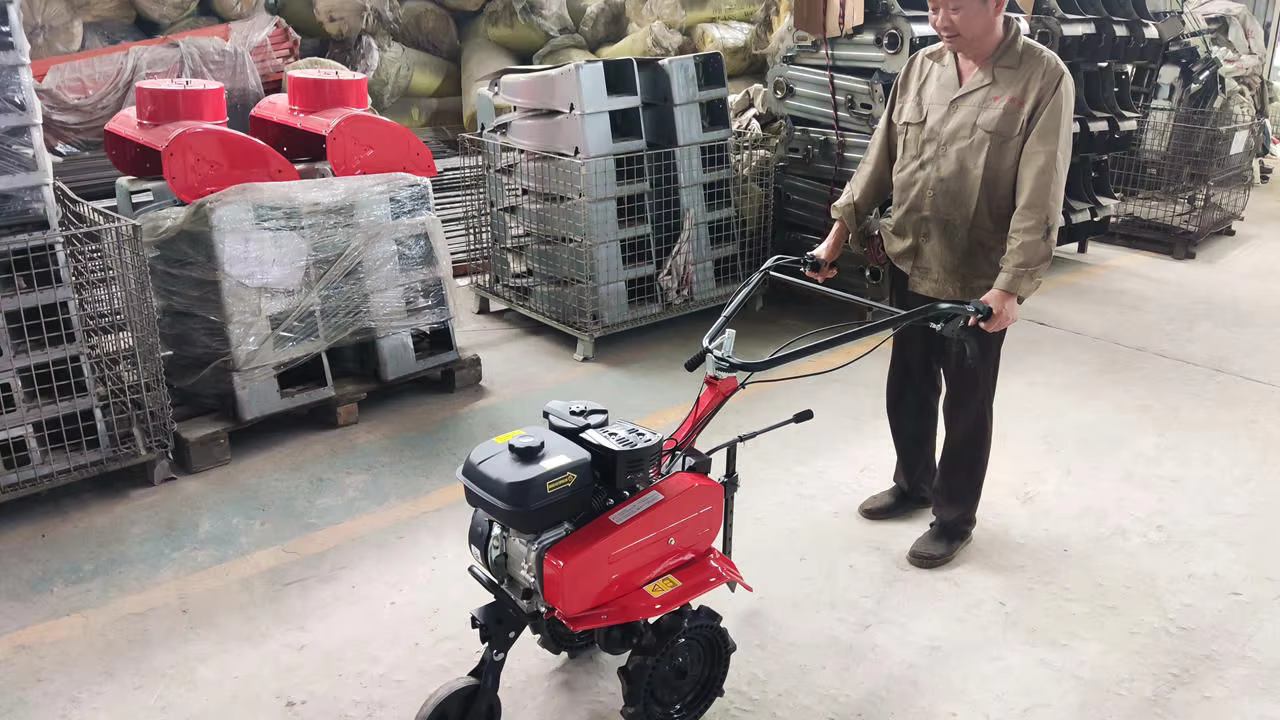
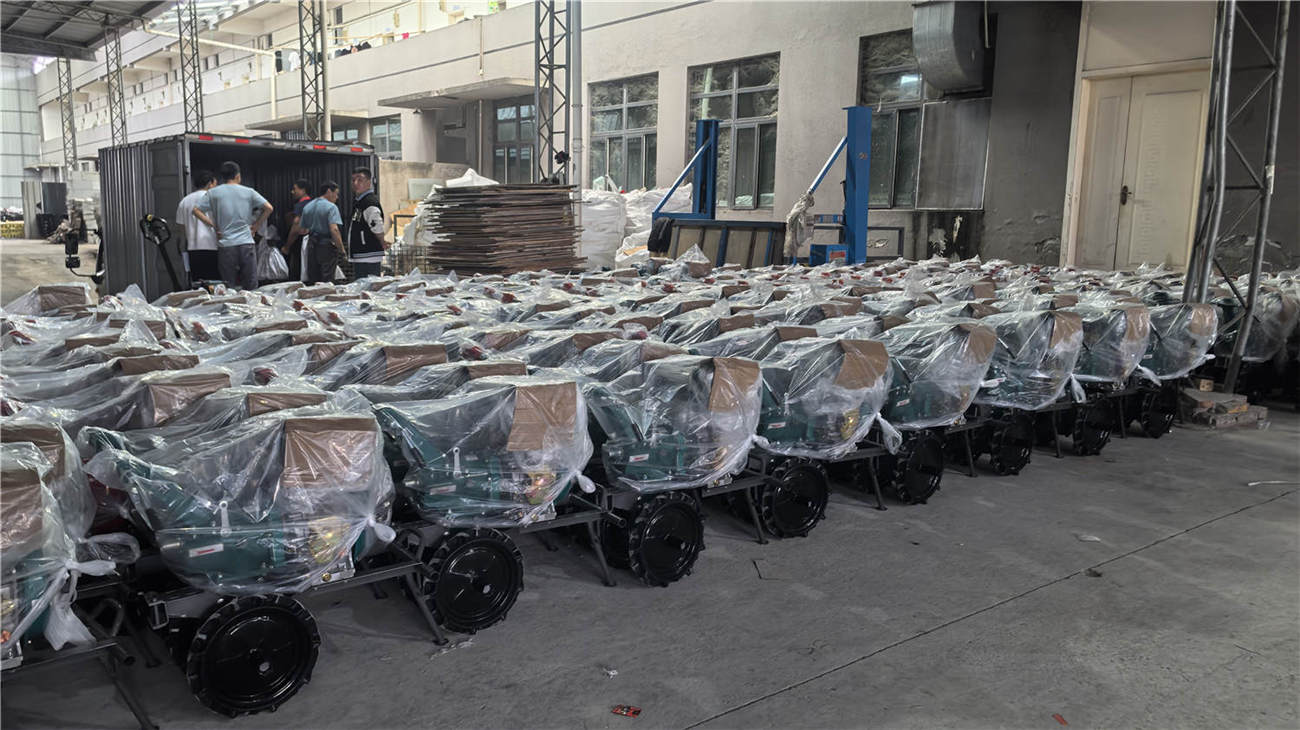
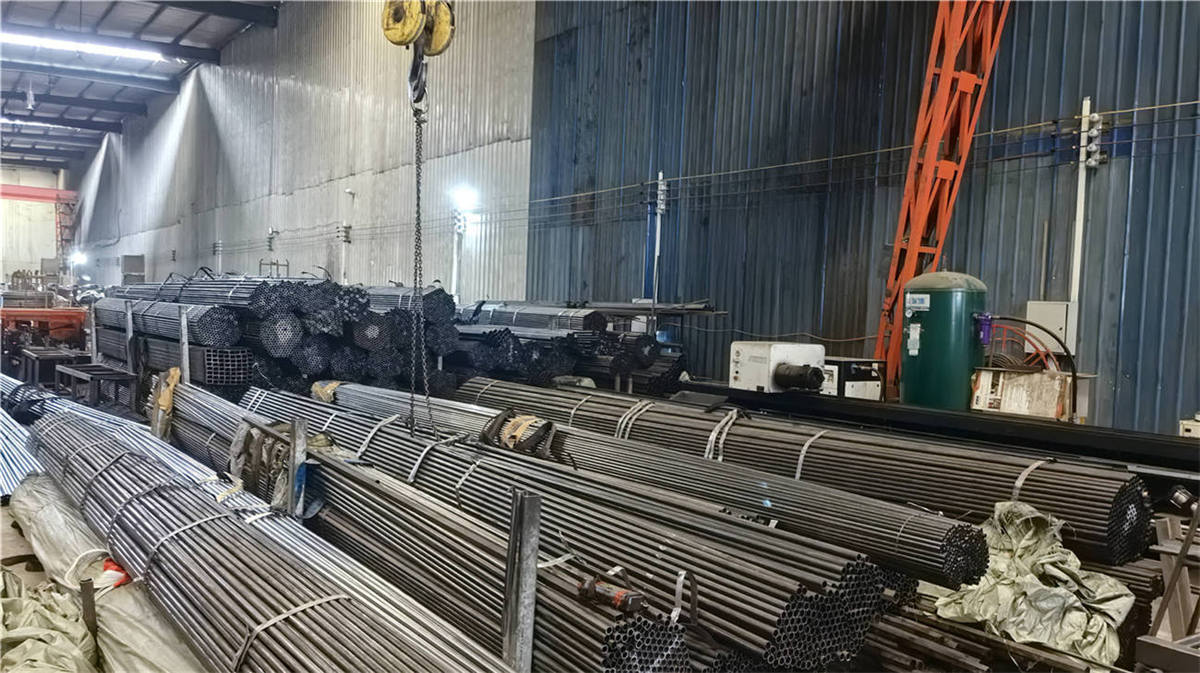
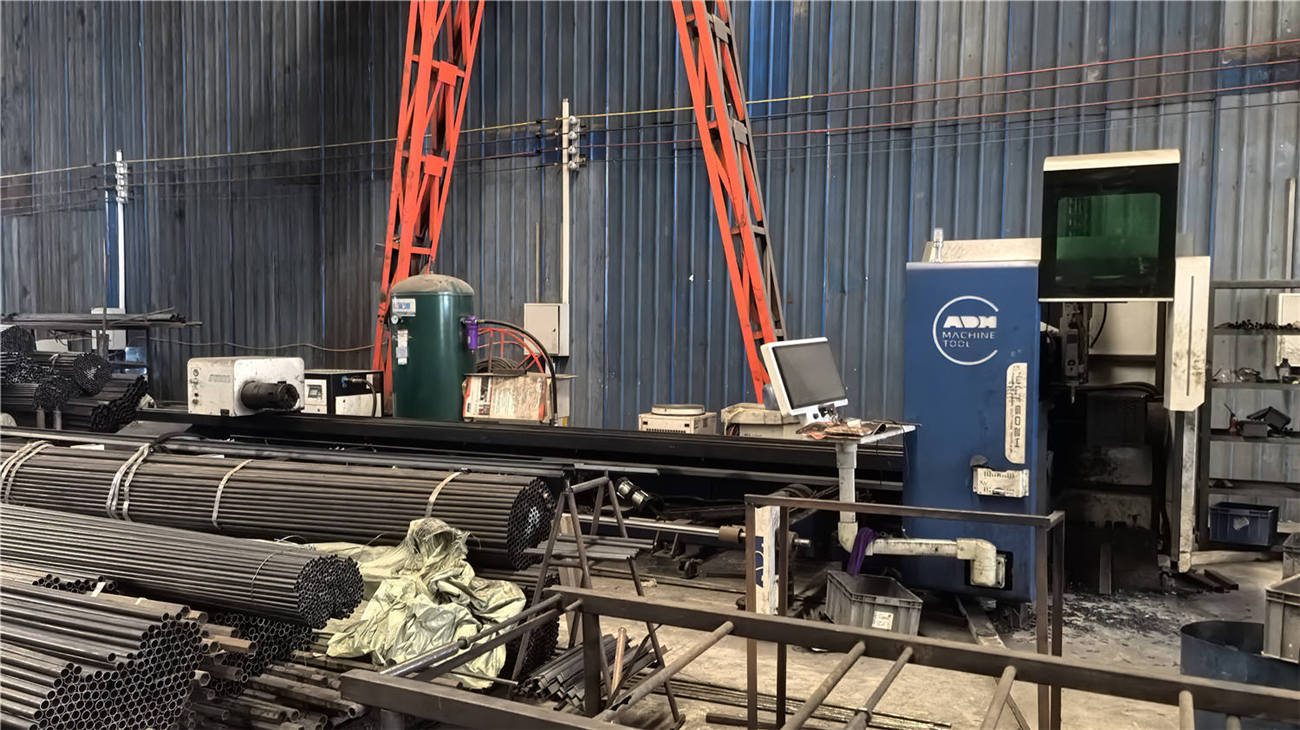
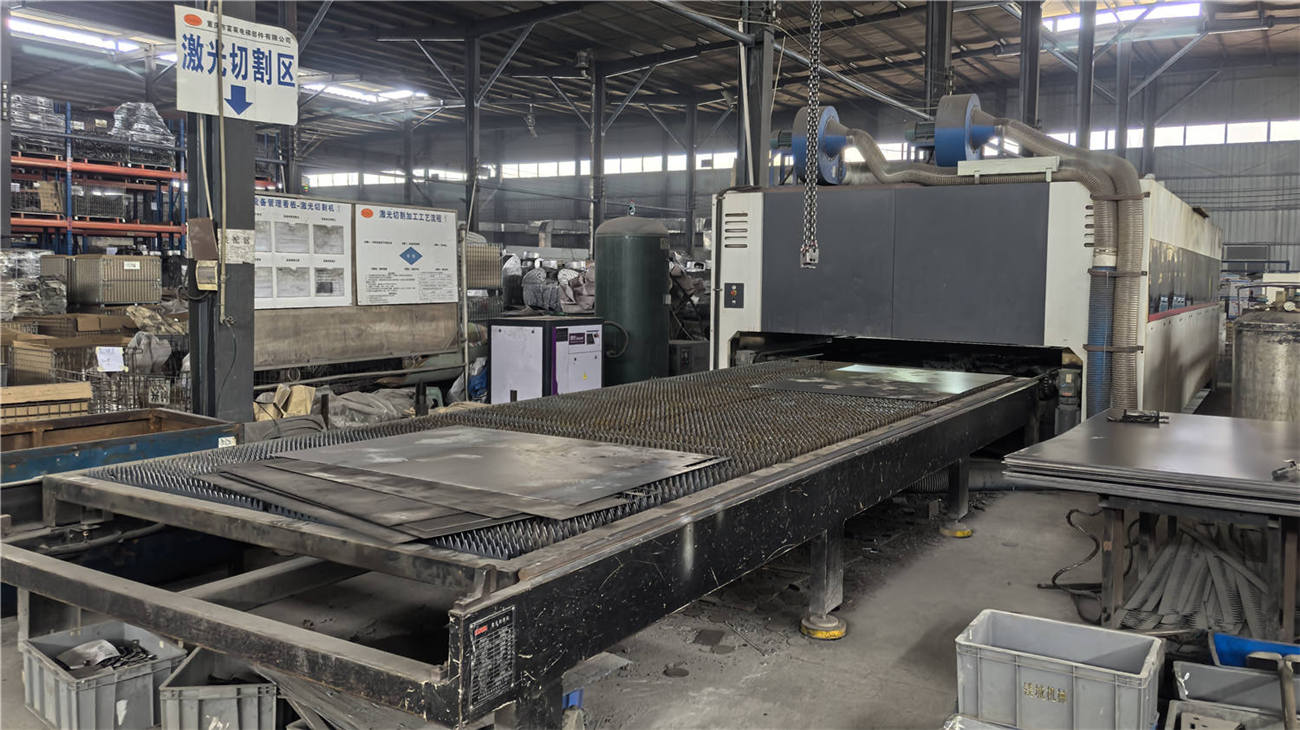
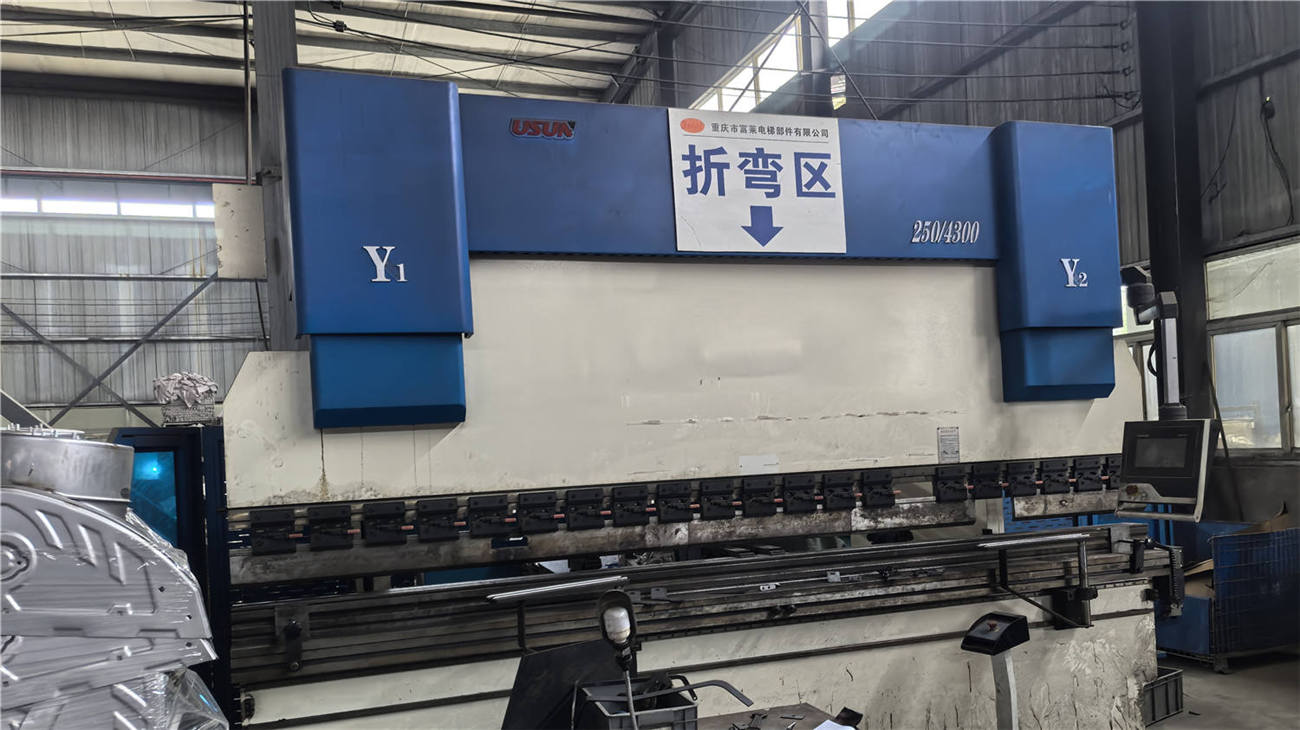
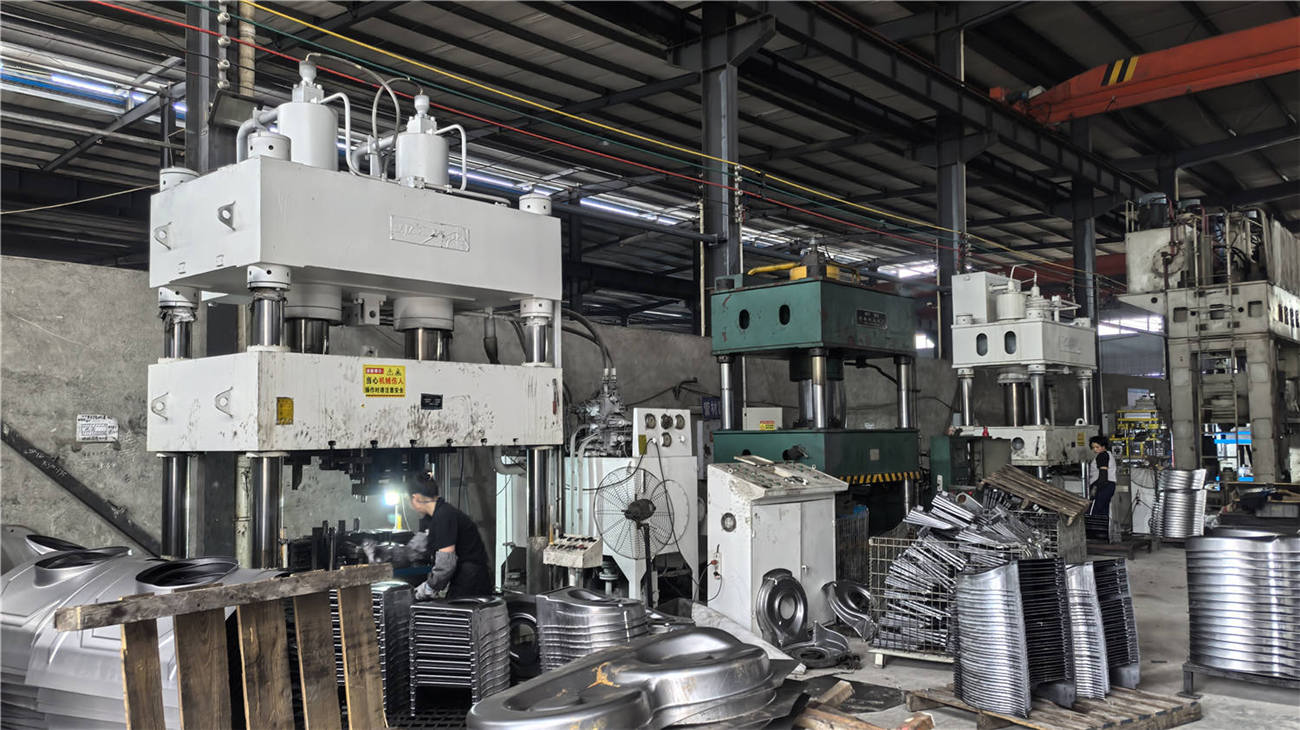
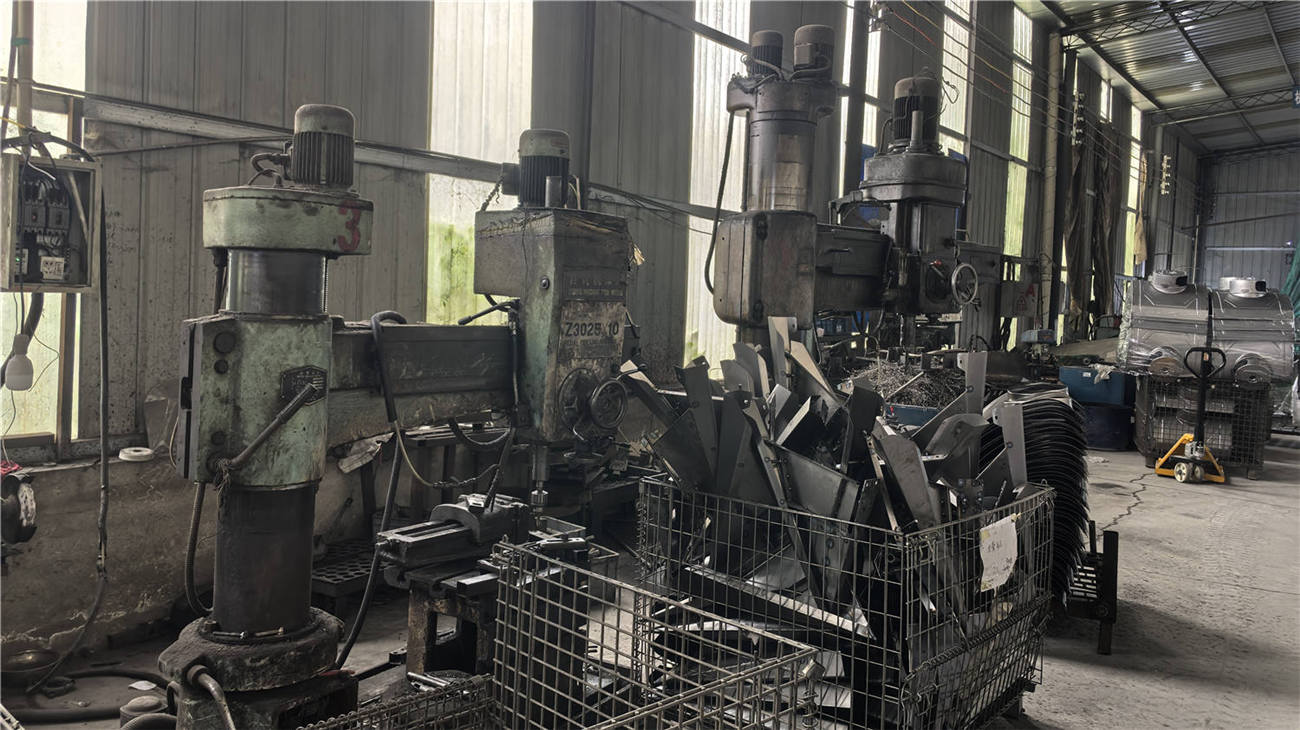
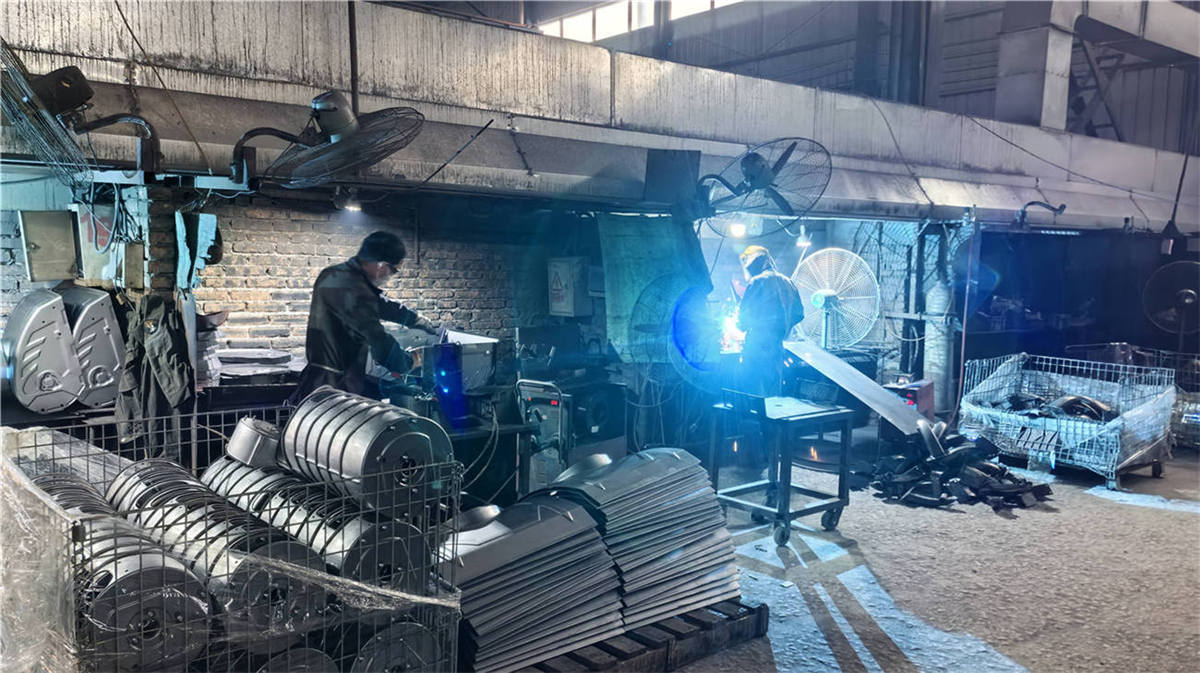
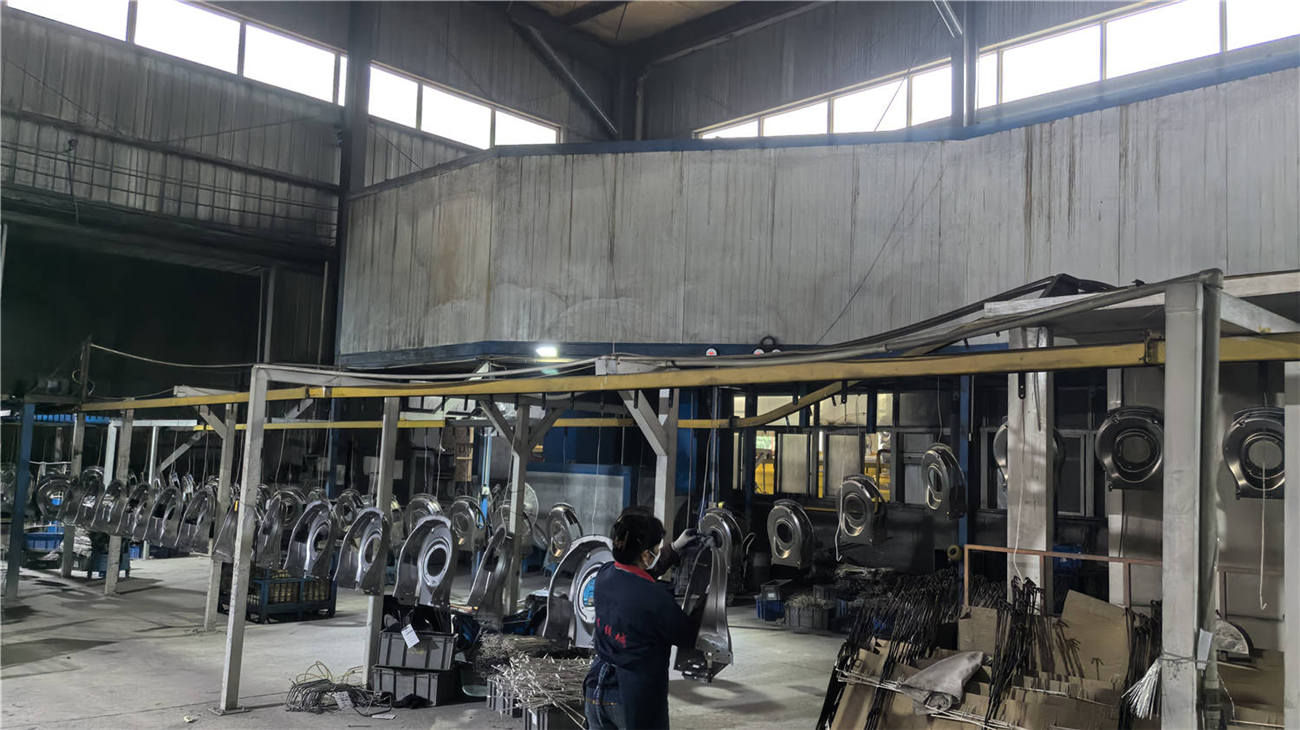
As a leading Chinese energy manufacturer, Weifang Gods Power Co., Ltd. (registered capital: 26 million RMB) operates a fully vertically integrated supply chain in Weifang, Shandong—the powerhouse of diesel engine development. Unlike basic assembly shops, our facility controls the entire lifecycle, from precision steel plate cutting and hydraulic stamping to advanced dyno testing and electrical cabinet wiring. This integration ensures robust quality control, shorter lead times, and lower manufacturing costs, allowing us to pass the savings directly to our clients in Mali.
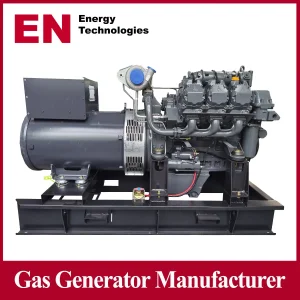
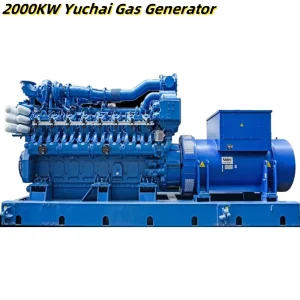
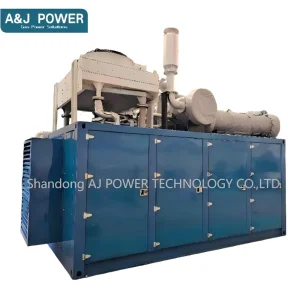
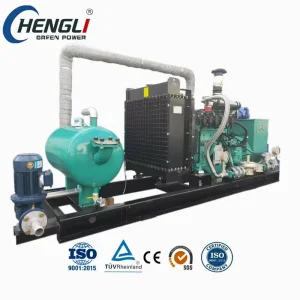
Browse our extensive selection of high-power dual-fuel units engineered for mining hubs, microgrids, and urban high-rise backups across Mali.
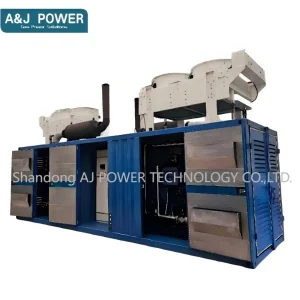
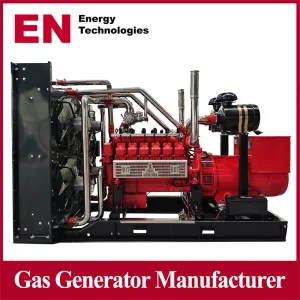
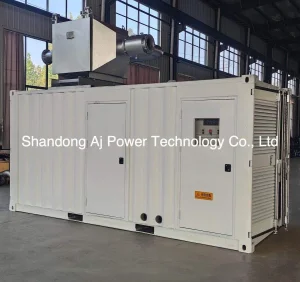
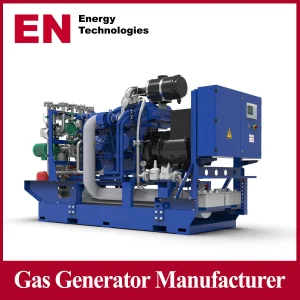
Deploying heavy machinery in Mali requires strict compliance with West African economic community standardizations (ECOWAS) and local electrical codes enforced by the Agence Malienne pour le Développement de l'Energie Domestique et de l'Electrification Rurale (AMADER). Our export-ready models are CE-certified and designed to operate within West African standard utility configurations: 400V/230V, three-phase, 50Hz. To guarantee prompt maintenance, we offer local engine diagnostic training, coordinate with regional service partners in Bamako, and maintain a robust inventory of high-wear spare parts (filters, gaskets, fuel injectors) ready for express dispatch.
We adapt mechanical designs to fit specific site conditions, sizing ventilation, sound dampening enclosures, and fuel intake lines based on local ambient dust levels and average temperatures.
Handling complex transit from the port of Qingdao directly to dry inland freight terminals in Bamako, managing customs compliance to minimize import latency.
Providing customized operational checklists, load bank testing, and safety protocols for handling pressurized gases and high-voltage distribution switchgear.
Get professional insights on fuel economics, regional deployment challenges, and system customization options.
Get in touch with our energy specialists. We provide complete technical system designs, custom container specs, and comprehensive cost-benefit sheets tailored to your specific application in Mali.
Send Inquiry Now Gods Power